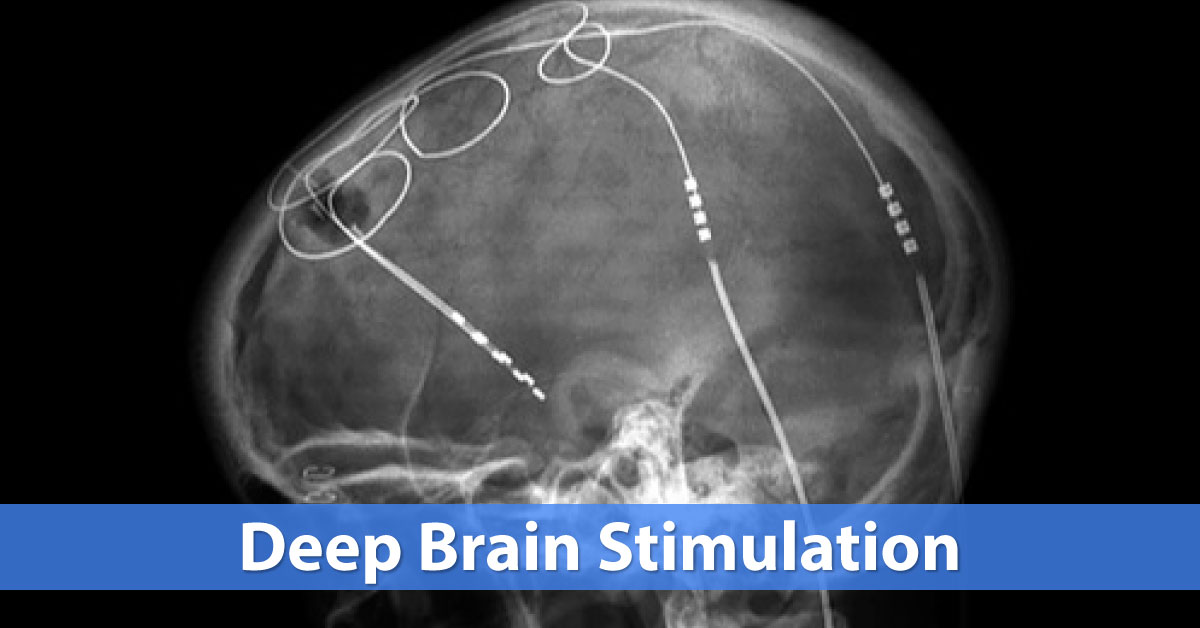
Tourette’s Syndrome (TS) is commonly associated with other behavioral disorders including attention-deficit/hyperactivity disorder, obsessive-compulsive disorder, anxiety, depression, and self-injurious behaviors. There are few recent updates about the use of Deep Brain stimulation (DBS) for improvement in TS which are covered in this article. Tourette's syndrome (TS) is a childhood neuropsychiatric disorder characterized by multiple involuntary motor and vocal tics.
Symptoms of TS typically develop during the 1st decade of life, Initial symptoms commonly manifest as simple motor tics of the head and face, with vocal tics appearing 1–2 years later. Deep Brain Stimulation (DBS) has the potential to “neuromodulate” abnormal communication that occur deep within the brains of people with TS. There are several areas in the brain that are associated with TS such as the centromedian thalamus,…