
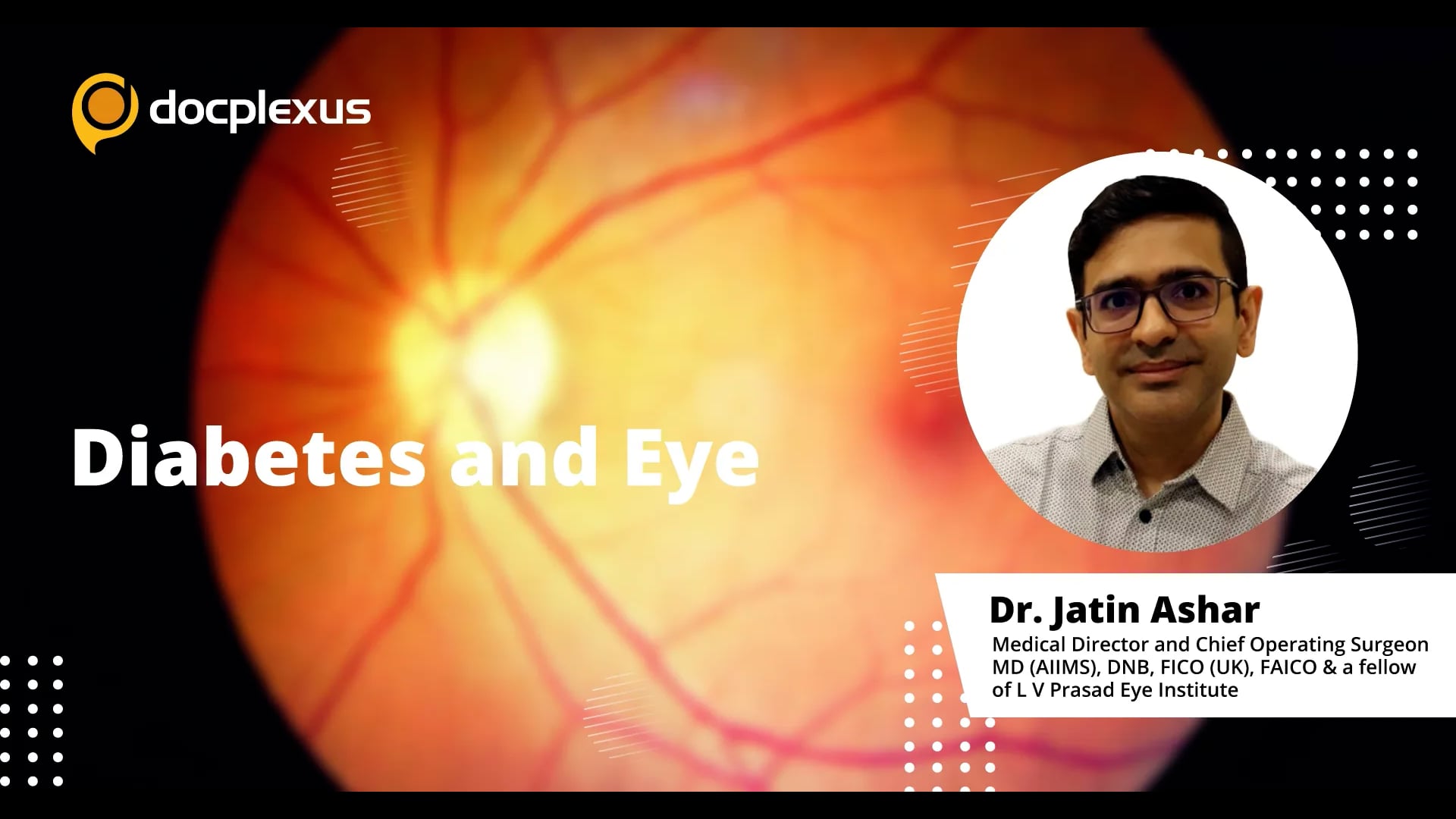
Diabetes mellitus affects ocular tissues extensively, even during the early stages. Both the microvasculature and the macrovasculature are affected by diabetes. Ocular complications result from impaired microvasculature characterized by increased vascular permeability and ischemia. The cornea and the retina are the most affected by diabetes.
Additionally, chronic hyperglycemia causes the accumulation of toxins in the basement membrane leading to cell apoptosis, opacity, and ultimately, impaired vision. The common ocular complications of diabetes mellitus include diabetic retinopathy, diabetic macular edema, cataract, glaucoma, and corneal dysfunction. Apart from the conventional pharmacologic treatment, most of these pathologies can now be successfully treated with advanced technology-based tools and tissue engineering, an emerging therapeutic modality with immense potential in…