
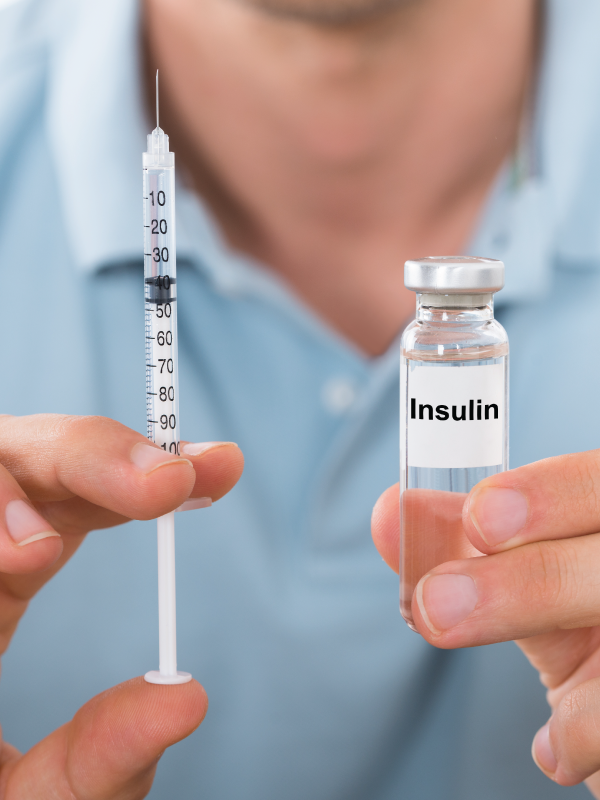
Diabetic ketoacidosis (DKA) is associated with the formation of ketone bodies from hepatic fatty acid oxidation due to insulin deficiency. It is a major complication of T1DM, while patients with T2DM can also develop DKA. It can be managed by fluid and potassium replacement and intravenous insulin infusion. However, monitoring capillary ketones, capillary glucose, serum electrolytes, and venous pH is essential for managing DKA. Despite the availability of advanced T2DM management guidelines and therapies, poor glycemic control in T2DM patients is a major problem worldwide.
Patient- and healthcare-provider-identified barriers to insulin therapy led to a delay in initiating and intensifying insulin therapy and, thus, poor glycemic control among the patients. To learn more about DKA and barriers to insulin therapy , join reputed endocrinologists, Dr. Anand Ramakrishnan and Dr. Usha…