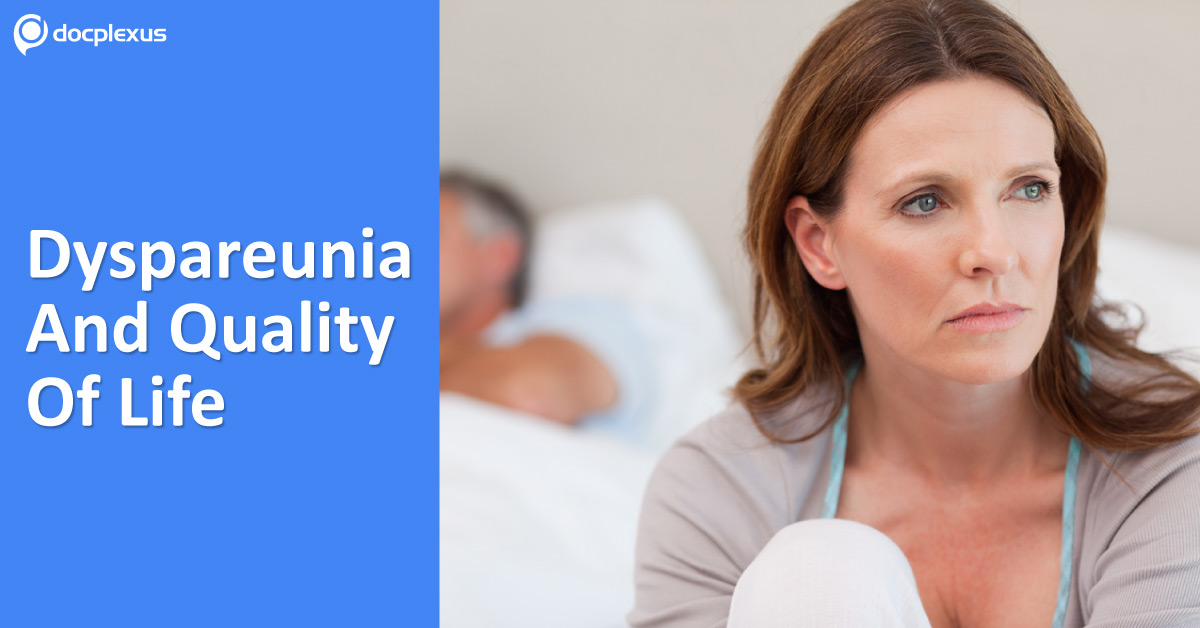
Nowadays, sexual activity is more common at older ages. However, many women in perimenopausal phase are unable to have a better quality of life simply because their doctors do not discuss dyspareunia and therefore do not correctly diagnose this condition and often-associated pelvic pain. According to the experts, many healthcare professionals do not know that the frequent symptoms of menopausal women, such as pelvic pain, depression, and anxiety, are consequences and not causes of dyspareunia.
Moreover, it is important to understand that medications alone are not enough to solve all the sexual problems in menopause but it may be necessary to change the sexual behavior given that dyspareunia arises only during sexual intercourse. Living without sexual activity or avoiding painful sex can be very positive for the quality of life of women in menopause. How often do you discuss dyspareunia…