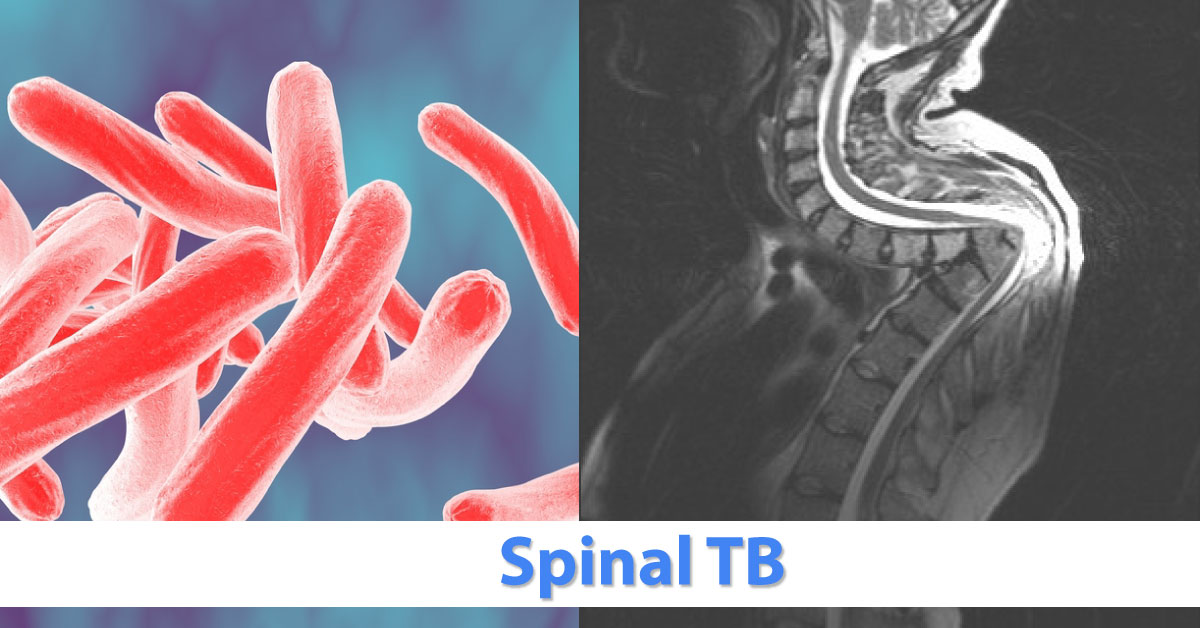
Early detection of Spinal Tuberculosis (TB) is essential to effective treatment. Conventional diagnoses have their limitations being less sensitive or time-consuming. Latest developments to identify infections and spinal changes raise hope in the better therapeutic intervention of this devastating skeletal disease. In India, spinal tuberculosis (TB) is one of the most commonly diagnosed spine pathologies.
2% of all cases of TB infections involves the spinal column. The disease is manifested with arthritis in intervertebral joints. Spinal TB is associated with significant spinal deformity and neuronal deficit in an advanced stage. The pathophysiological changes are: Vertebral collapse and kyphosis due to progressive bone destruction Abscesses induced narrowing of the spinal canal Spinal cord compression and neuronal deficit due to granular tissue or direct dural invasion Formation of…