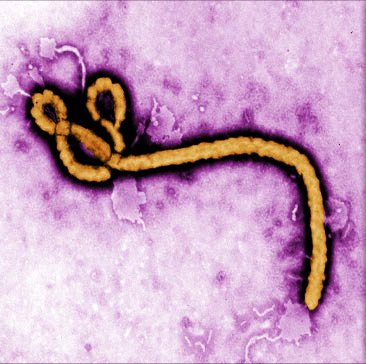
Ebola viral disease (EVD), also known as Ebola hemorrhagic fever (EHF) is among the deadliest of any known virus, with up to 90% mortality rate of all infected people. Name of the virus was given after a river in Zaire (modern-day Democratic Republic of the Congo) where the first known case was reported. At present, there is no cure. [1] The outbreak in Uganda was caused by the Ebola-Sudan strain, which has a 60-65% mortality rate and is known to spread more easily than others.
By contrast, the Republic of the Congo outbreak was caused by the Ebola-Zaire strain, which has a higher mortality rate of 85-95%. The Zaire strain is more virulent but is easier to test for as some tests require only ten viral particles to obtain a positive result. The natural reservoir or animal host of Ebola virus remains unknown, but is generally thought to be a primate native to Africa. In most outbreaks,…