
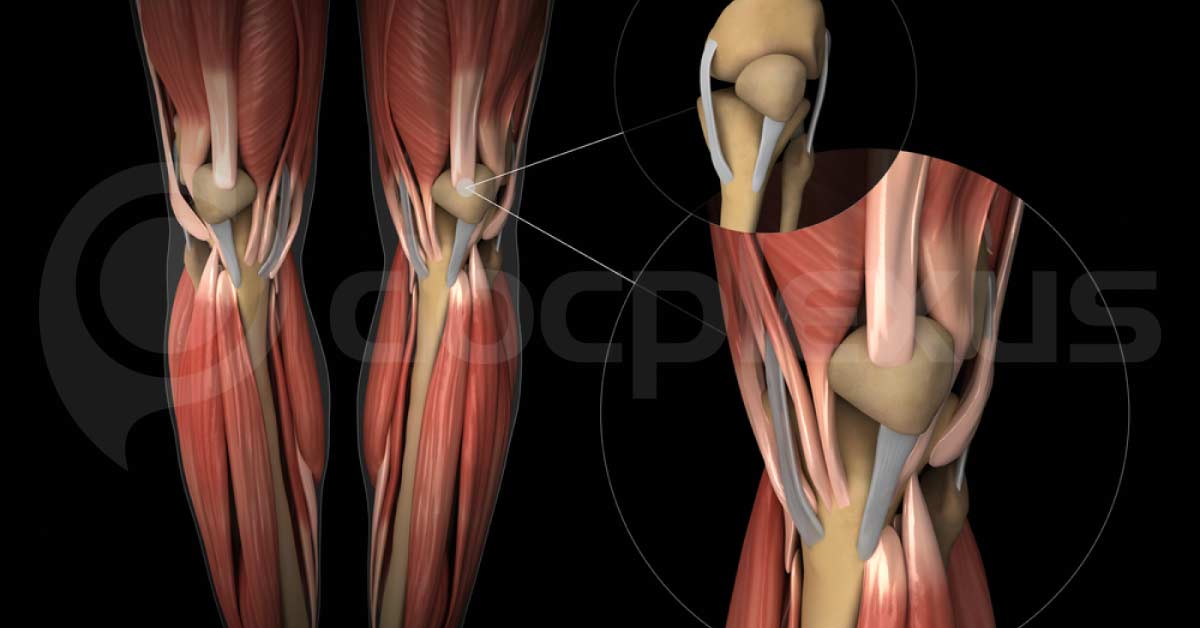
Tendinopathy refers to a set of diseases that results in the abnormal functioning of tendons. Its development increases in frequency with age. A new research published in the journal Nature Scientific Reports has identified that ageing has distinct and opposite effects on the genes expressed in the tendons of males and females. In this study, researchers analyzed in parallel several gene datasets from male and females from two age groups (20-24 and 54-70 years) to identify sex-specific gene expression changes with age.
The main findings were that: only one gene (CRABP2) which is involved in retinoic acid binding and signaling was decreased in expression in males and females. In males, this was associated with an increase in cell cycle, and in females, a decrease in cell cycle was implicated. Therefore, it is possible that the development of tendinopathy is higher in females because…