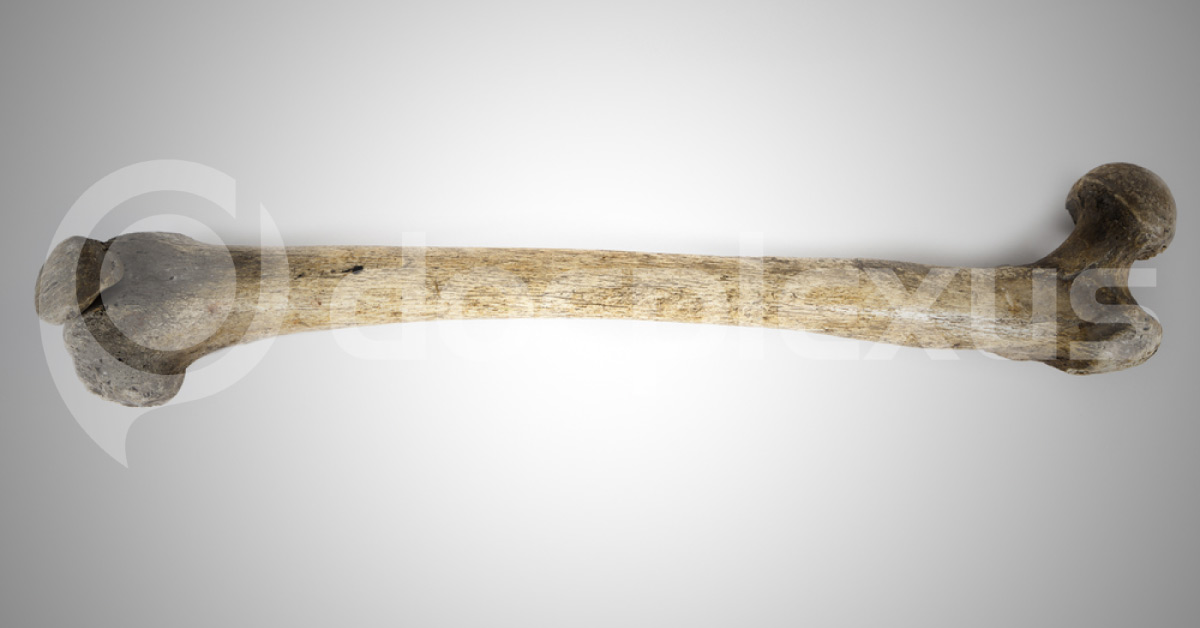
Current techniques for assessing an individual’s age at the time of death are based on wear and tear on the skeleton’s joint surface, which has a higher error rate. In this study, researchers have examined the use of bone mineral content and density in age determination which significantly reduces the margin of error. Why is bone mineral density useful in determining age? Age at the time of death plays important role in determining a biological profile of the deceased.
Currently, skeletal biologist uses phase method which is based on gross morphological degenerative changes of skeletal elements. This method can determine the age of the dead with a 15-30 -year margin of error. This huge age difference could be the result of individual’s lifestyle or how forensic practitioner interprets those skeletal features. However, bone mineral content and density increase as we grow, and then…