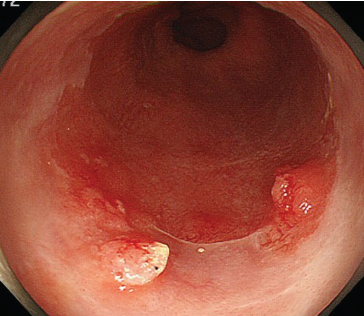
Barrett’s esophagus is a serious complication of GERD (gastroesophageal reflux disease). A new meta-analysis study suggests that high serum leptin and insulin levels are significantly associated with Barrett’s esophagus. Barrett’s disease is a complicated version of GERD, in which squamous epithelial lining of esophagus transforms into lining containing goblet cells which resemble intestine. Barrett’s esophagus shows strong association with esophageal adenocarcinoma.
A recently published study has identified risk factors which play a significant role in developing Barrett’s disease. The meta-analysis study performed by scientists from the USA, has claimed that hyperinsulinemia is strongly associated with Barrett’s esophagus risk. The scientists arrived at this conclusion after they performed a meta-analysis of 9 different studies. The studies included 10 separate cohorts of 1,432…