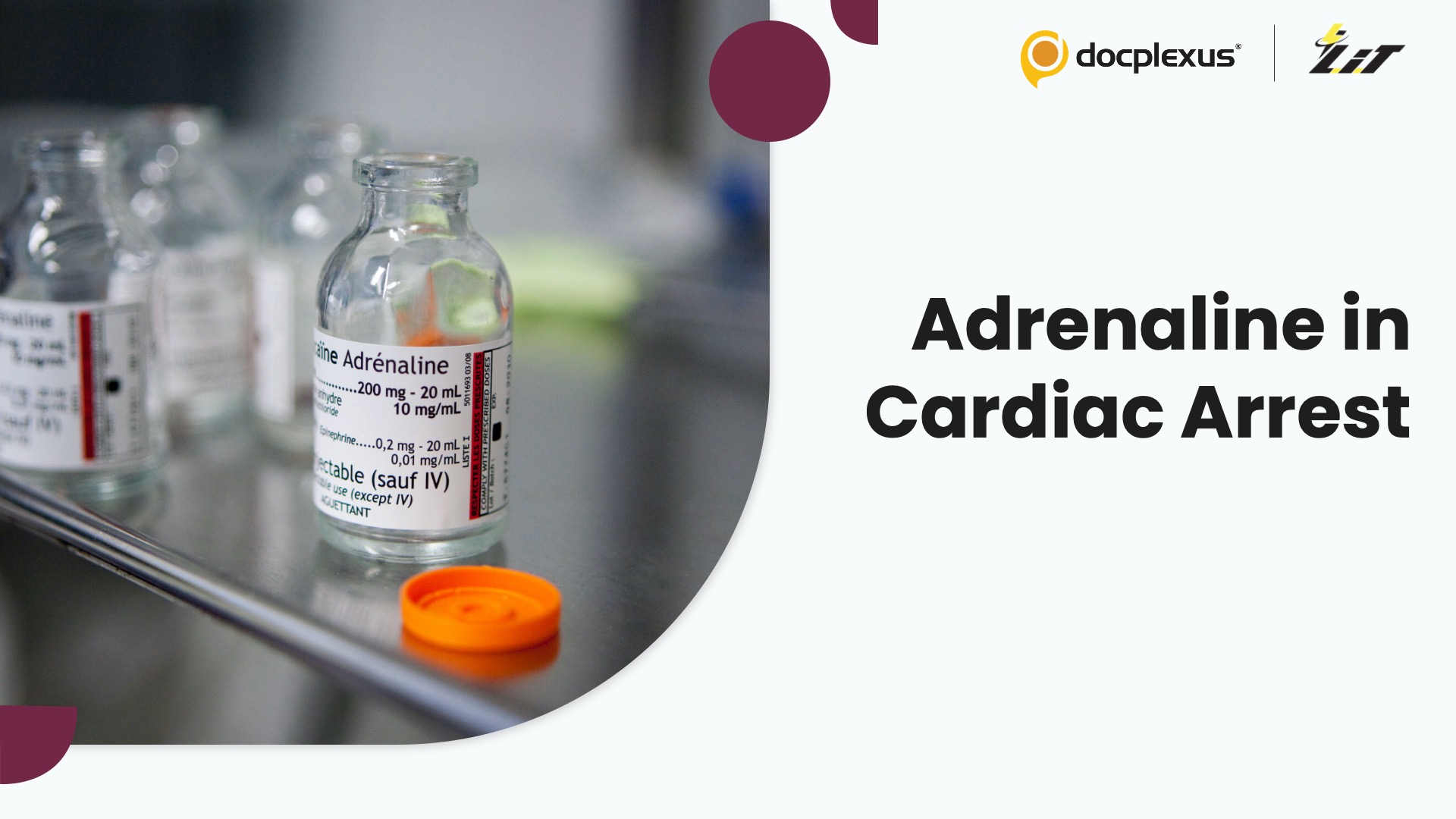
Adrenaline is routinely administered during cardiopulmonary resuscitation, but its effect on outcomes in in-hospital cardiac arrest is still debated. To address this, researchers examined the association between adrenaline administration and return of spontaneous circulation (ROSC) in adults experiencing primary pulseless electrical activity during in-hospital cardiac arrest (73 episodes). The study observed the maximum effect of adrenaline between 45 and 85 seconds after administration.
During this period, adrenaline use was strongly associated with a higher likelihood of achieving ROSC (intensity ratio, 5.03), while additional doses showed no effect when an initial response was absent. These findings support a strong, time-dependent association between adrenaline administration and immediate resuscitation success during in-hospital cardiac arrest. ##Reference## Norvik A, Unneland E,…