
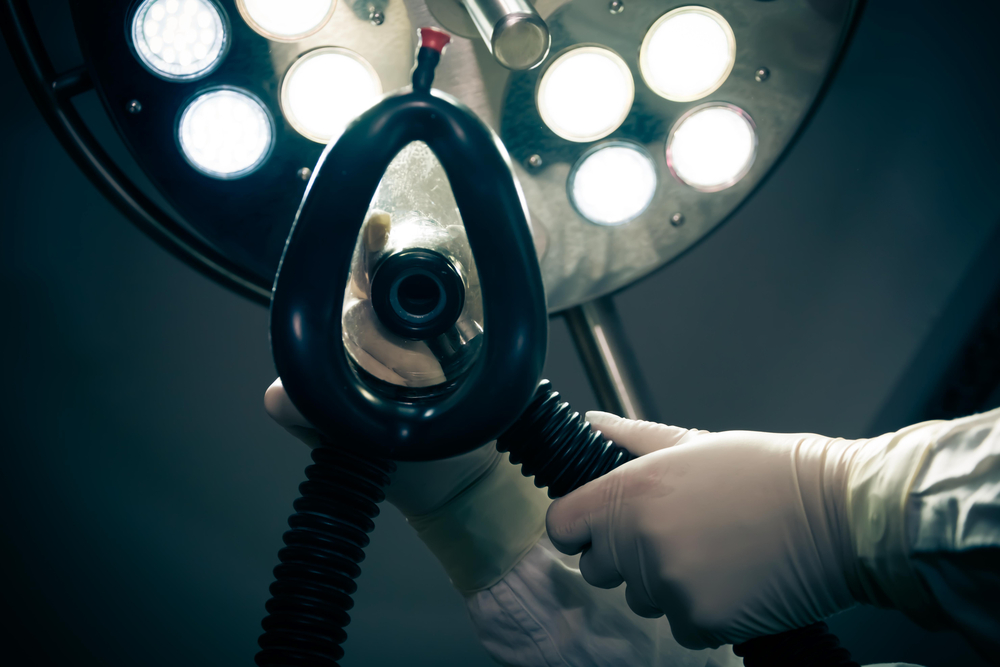
Hypercapnia, or high PaCO 2 , can occur in several scenarios during anesthetic and post-anesthetic care. In such cases, assessment of its potential causes is of utmost importance. This article briefly outlines these risk factors and its management. The common causes of hypercapnia: Hypoventilation: It is the commonest cause of hypercarbia or hypercapnia. It is iatrogenic in mechanically ventilated patients and the result of inadequate tidal volumes and/or respiratory rate contributing to a low minute ventilation.
In spontaneously breathing patients, hypoventilation is typically due to drug-induced depression of the ventilatory response to CO 2 . Opioids, benzodiazepines, sedative hypnotics (e.g. propofol), and halogenated inhalational agents. Increased Dead Space: This is most commonly seen in patients with obstructive lung diseases. Any increase beyond typical physiologic dead space…