
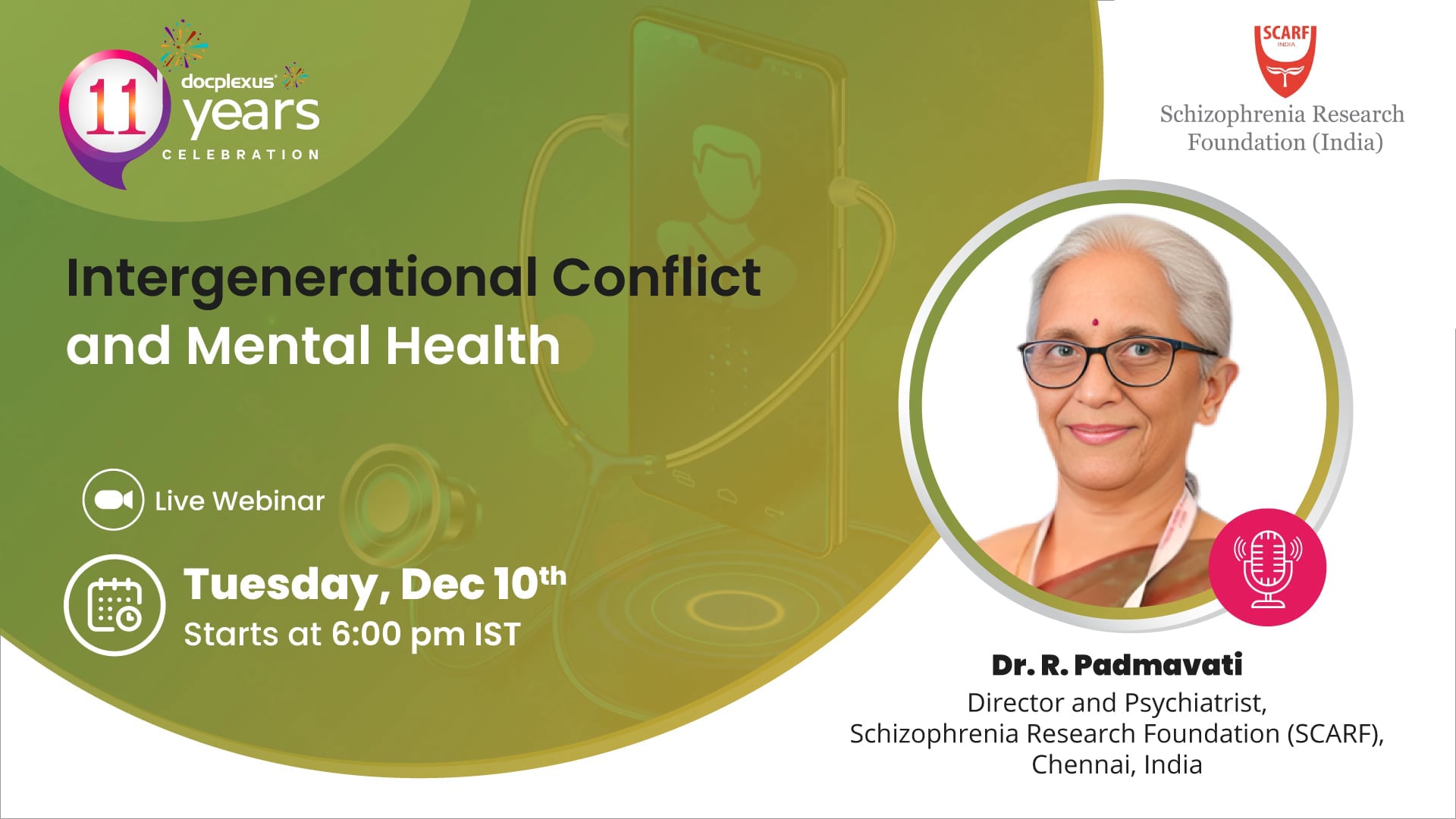
Intergenerational conflict, arising from differing values, beliefs, and expectations between generations, can significantly impact mental health. For healthcare professionals, it is crucial to recognize how these conflicts may manifest in stress, anxiety, or depression, particularly in younger individuals navigating cultural or generational pressures. Older adults may also experience feelings of frustration or alienation due to perceived disrespect or disconnection.
Such conflicts can exacerbate preexisting conditions and hinder effective communication within families, complicating treatment adherence and outcomes. Physicians should adopt a culturally sensitive, family-centered approach to address these dynamics, promoting understanding and fostering healthier relationships to support mental well-being across generations. To learn more about “Intergenerational Conflict and Mental…


