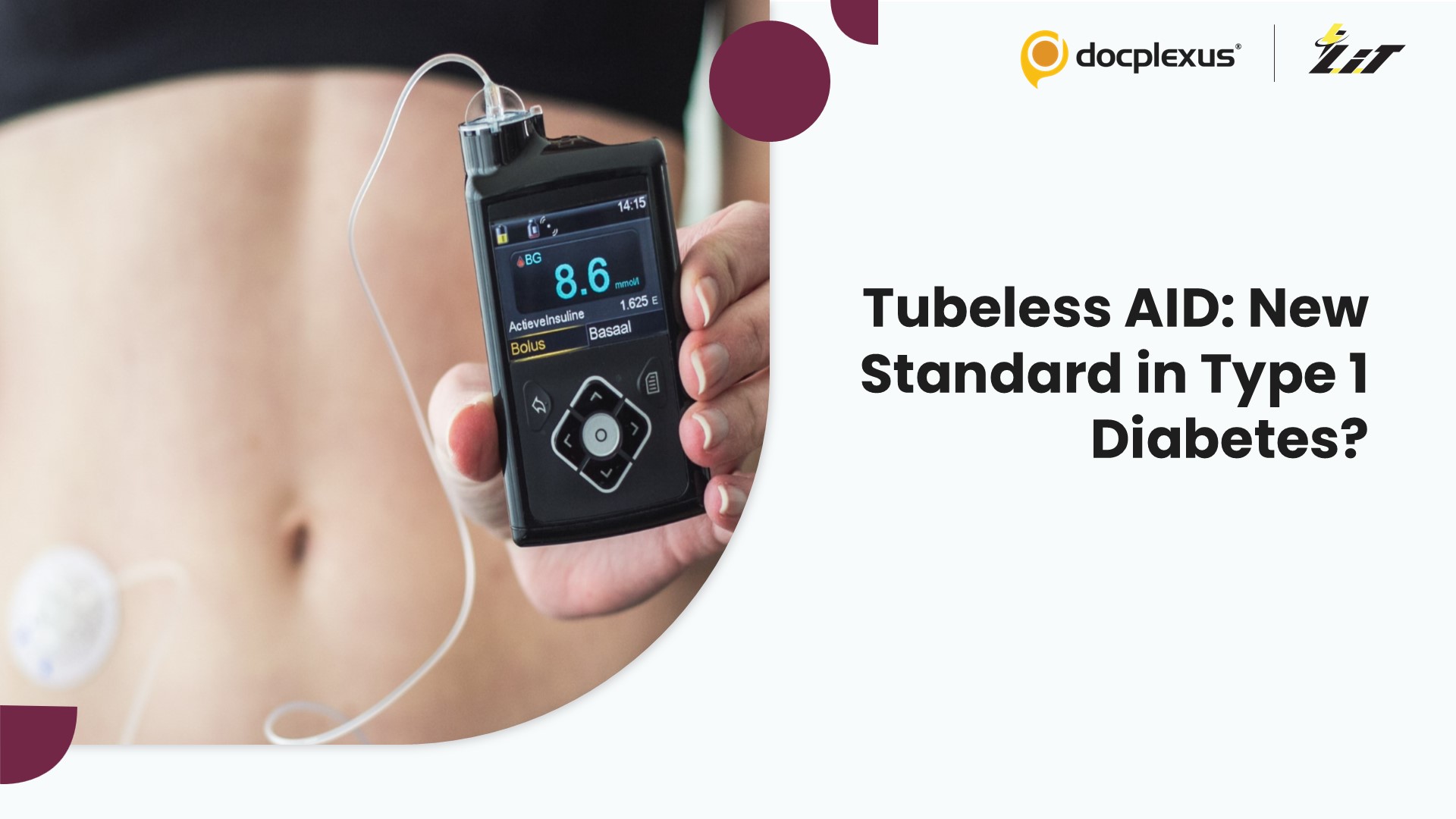
Type 1 diabetes, particularly in individuals with suboptimal glycemic control, is associated with an increased risk of complications and reduced quality of life, yet optimized insulin delivery strategies remain limited despite advances in pump technologies. To address this gap, a randomized study evaluated the safety and efficacy of a tubeless automated insulin delivery (AID) system compared with multiple daily injections, assessing improvements in glycemic outcomes in 188 adults and children with type 1 diabetes.
The study found that participants using the tubeless AID system achieved significantly greater reductions in HbA1c, decreasing from 8.1% at baseline to 7.2% at 13 weeks, compared with the control group, which showed minimal change from 8.1%, with an adjusted mean difference of −0.8%. No episodes of severe hypoglycemia or diabetic ketoacidosis occurred in either group during…