Bruxism is increasingly recognized as a functional overload disorder capable of inducing structural adaptations within the stomatognathic system, yet objective radiographic markers remain limited. In this cross-sectional study, panoramic radiographs from 66 individuals (33 with possible bruxism and 33 controls) were analyzed using box-counting fractal analysis and established mandibular radiomorphometric indices to identify bone-related changes associated with bruxism.
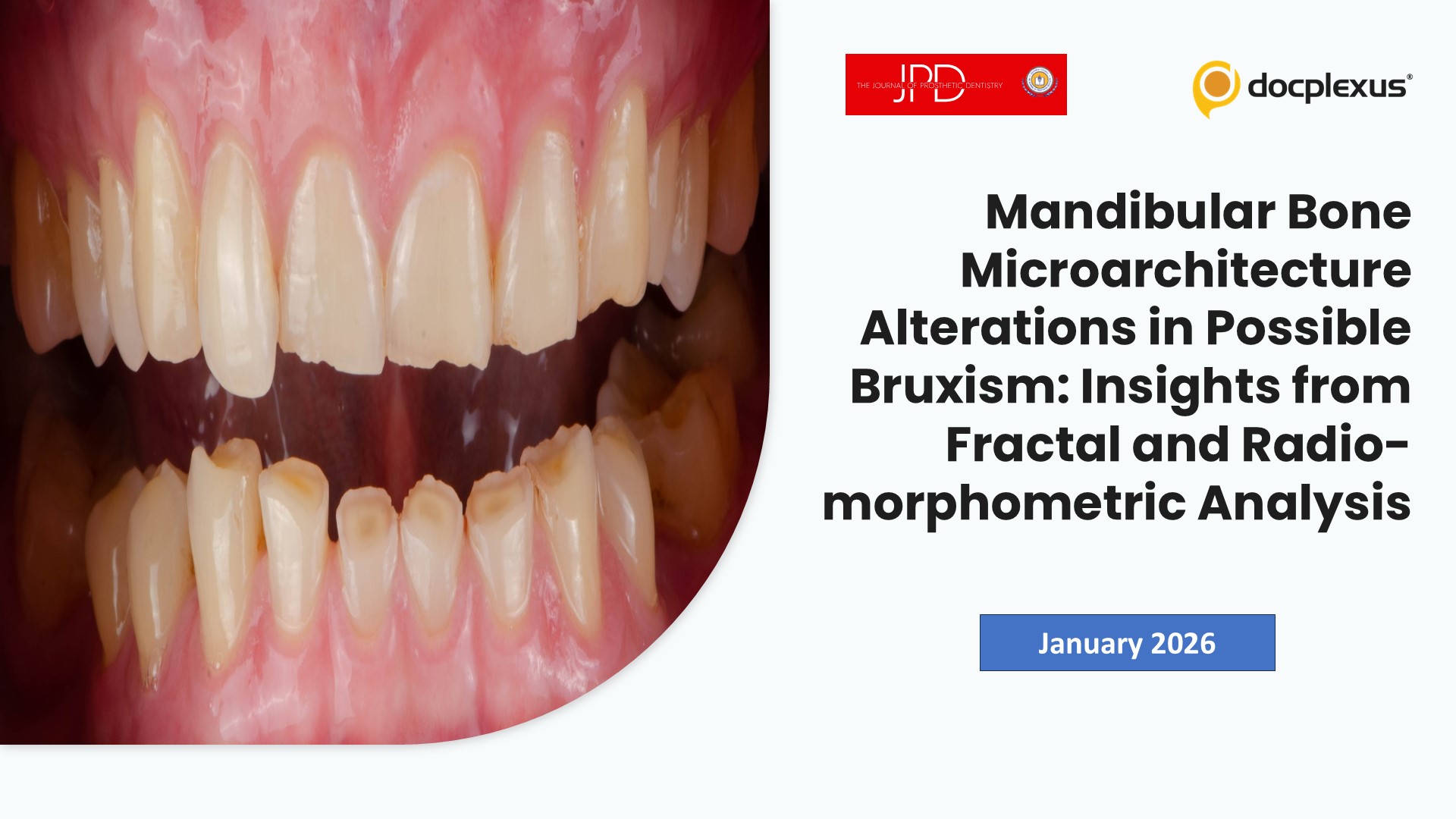
Individuals with possible bruxism demonstrated significantly lower fractal dimension values across three mandibular regions of interest, reflecting altered trabecular bone complexity, along with a reduced antegonial index compared to non-bruxism subjects (P < .05). Clinically, the bruxism group also exhibited a higher frequency of wear facets, mucosal markings, and facial fatigue, supporting the presence of sustained…