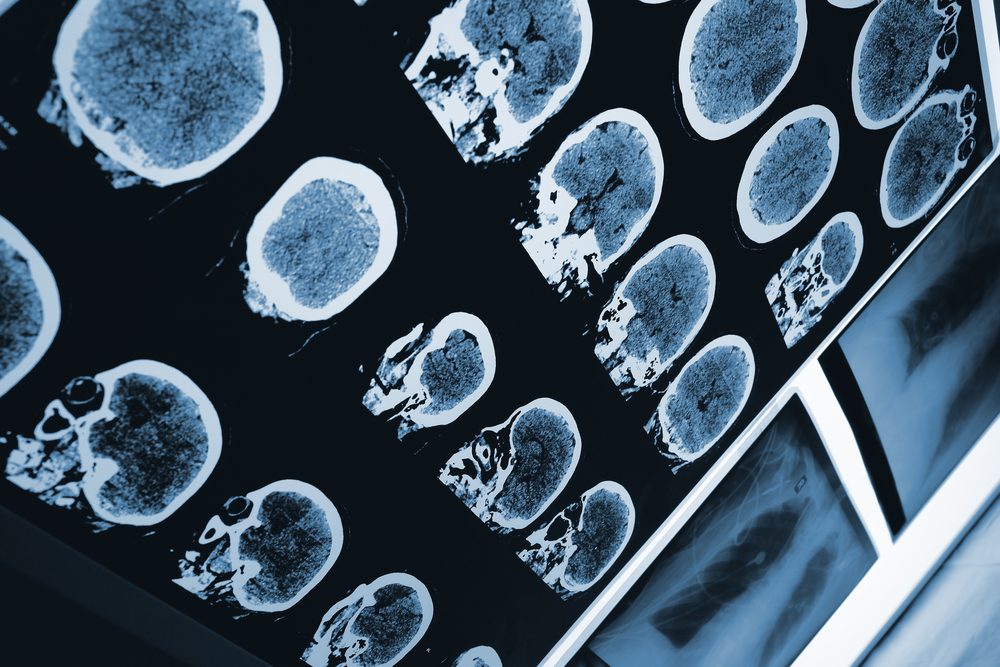
Molecular imaging techniques have revolutionised cancer detection and treatment. With ability to detect subcellular changes, molecular imaging can be instrumental in early detection of cancer and better prediction of treatment outcome. Cancer cells differ from normal cells in all aspects of their biology including expression of biomolecules, receptors, mediators and molecular processes like angiogenesis apart.
Apart from the differences in their growth characteristics and histopathology, the differences inherent to the cell level molecular biology have been exploited by clinical and preclinical studies to develop molecular imaging modalities. The methods employed involve in-vivo characterisation of biomolecules or cellular processes to localise tumors, assess their behaviour and also determine the response to treatment. These studies are set to revolutionise cancer detection and therapy…