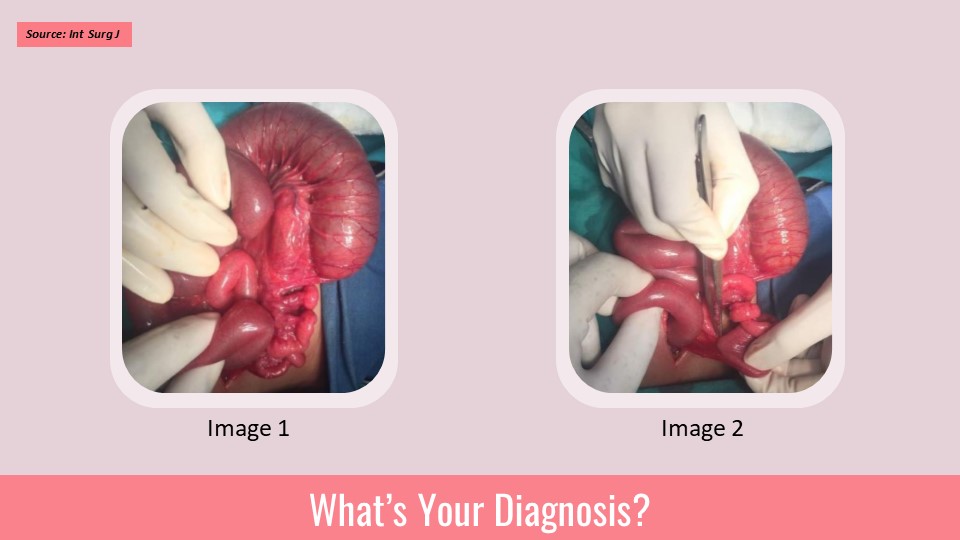
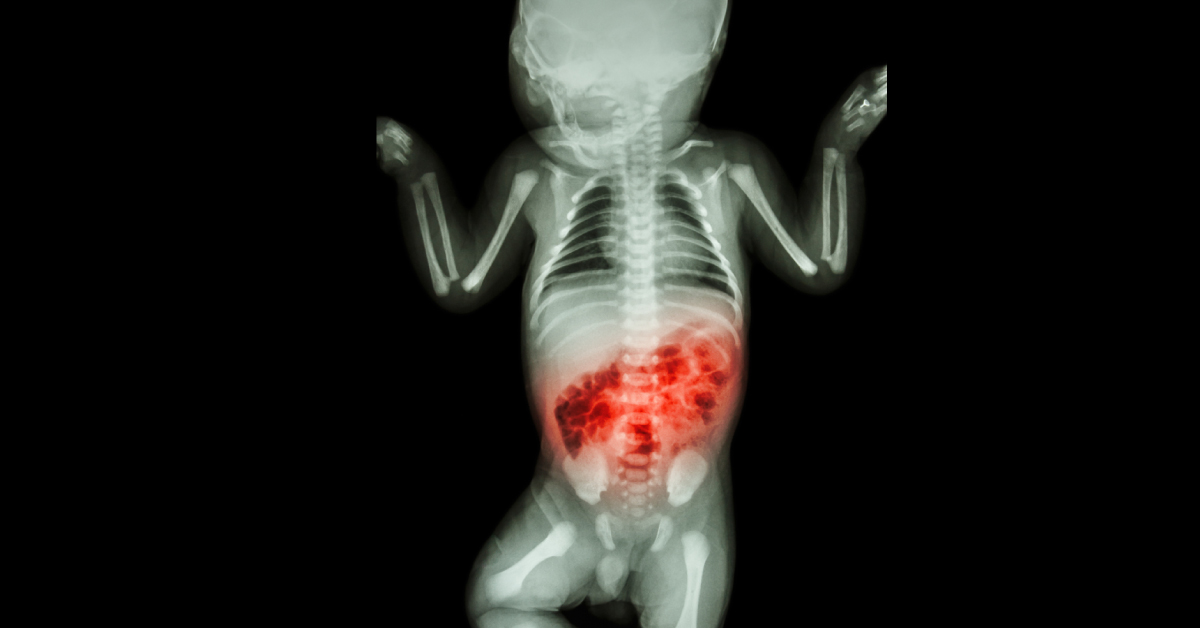
Necrotizing enterocolitis is the most common neonatal gastrointestinal disease and a serious cause of morbidity and mortality. Even with early diagnosis and aggressive treatment, the progression of intestinal necrosis can lead to sepsis and death. This article describes the effective approach to the management of necrotizing enterocolitis. Necrotizing enterocolitis (NEC) particularly occurs in premature or formula-fed infants in the second to third week of life.
It is characterized by variable damage to the intestinal tract, ranging from mucosal injury to full-thickness necrosis and perforation. NEC affects approximately 10% of infants who weigh less than 1500 grams with mortality rates of 50% or more depending on severity. Till date, the etiology of NEC is poorly understood. However, current evidence suggests that NEC occurs due to an inappropriate inflammatory response of the immature…