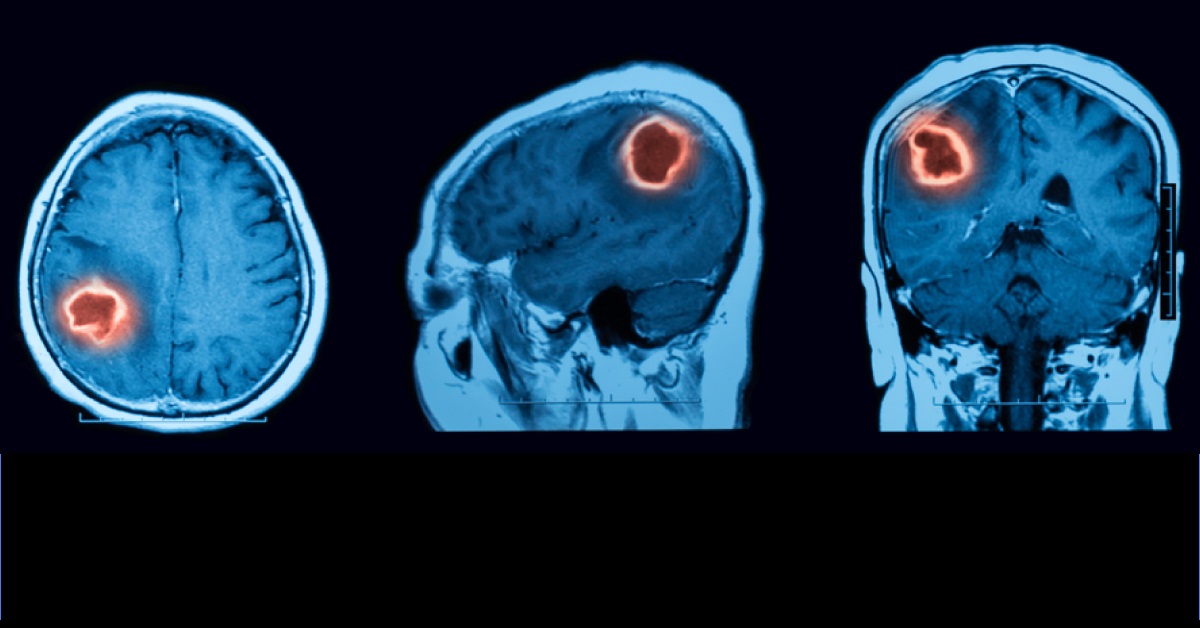
This article reports the outcomes of the observational study which assessed the factors associated with permanent CSF diversion and the relationship between shunting and functional outcomes in spontaneous intraventricular hemorrhage (IVH) patients. Study Objective Intracerebral hemorrhage (ICH) has a high mortality and most of the survivors are physically dependent at least for 6 months. Up to 45% of ICH patients have intraventricular hemorrhage (IVH) and hydrocephalus, which contribute to poor outcomes. The presence of IVH or hydrocephalus often needs emergent temporary CSF drainage using an external ventricular drain (EVD).
The standard practice includes clamping the EVD to reduce intracranial pressure elevated due to hydrocephalus. However, in the case of unsuccessful EVD, permanent CSF is necessary. The factors that are associated with shunt dependence include the thalamic location…