
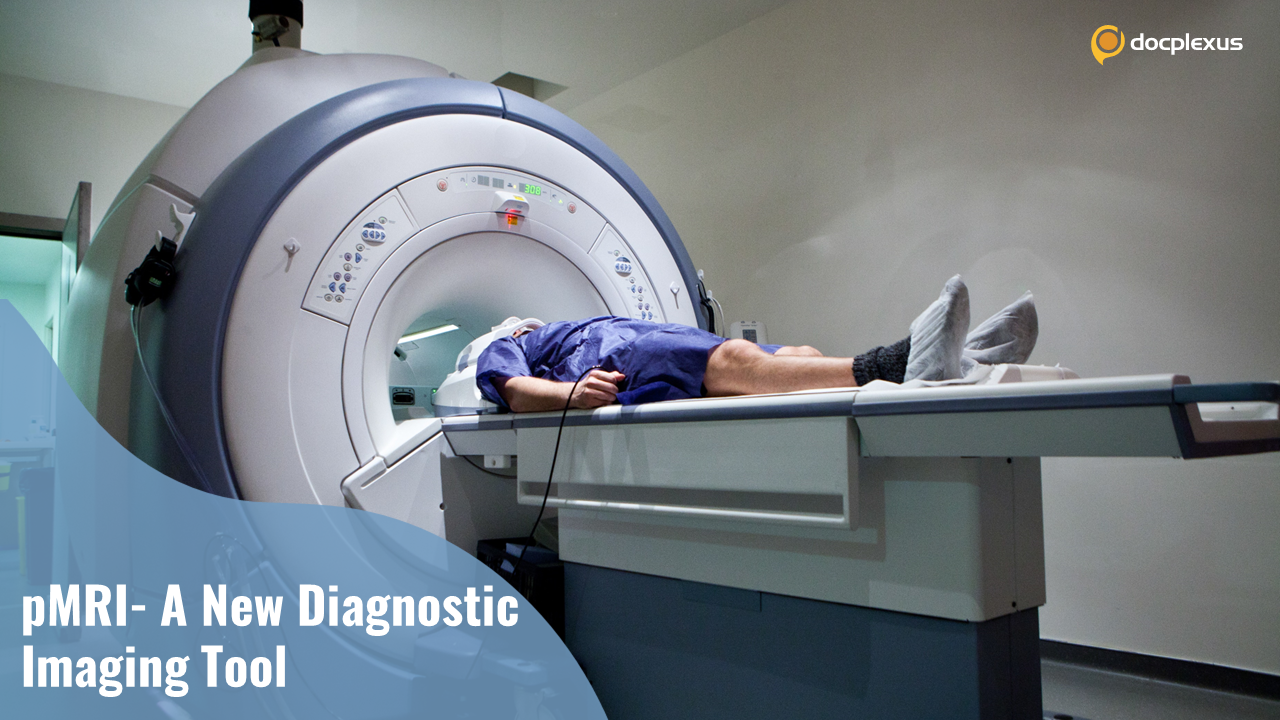
Imaging modalities such as non-contrast computed tomography (NCCT) and MRI are the most commonly used diagnostic tools; however, using these conventional imaging methods for diagnostic purposes requires patients to be transported from a clinically controlled and safe environment to remote rooms or centers that contain the stationary scanners. This often is associated with cardiovascular or respiratory risks to the patients and delays the diagnosis. Researchers from the Yale School of Medicine recently evaluated the efficacy of a portable MRI machine for imaging cerebral infarction and its clinical utility in managing strokes.
The low-strength, portable MRI (0.064T) machine helped overcome many drawbacks of the conventional imaging methods and portable CT scanners used in tertiary care centers, such as exposure to ionizing radiation and the requirement of specialized technicians. pMRI…


