
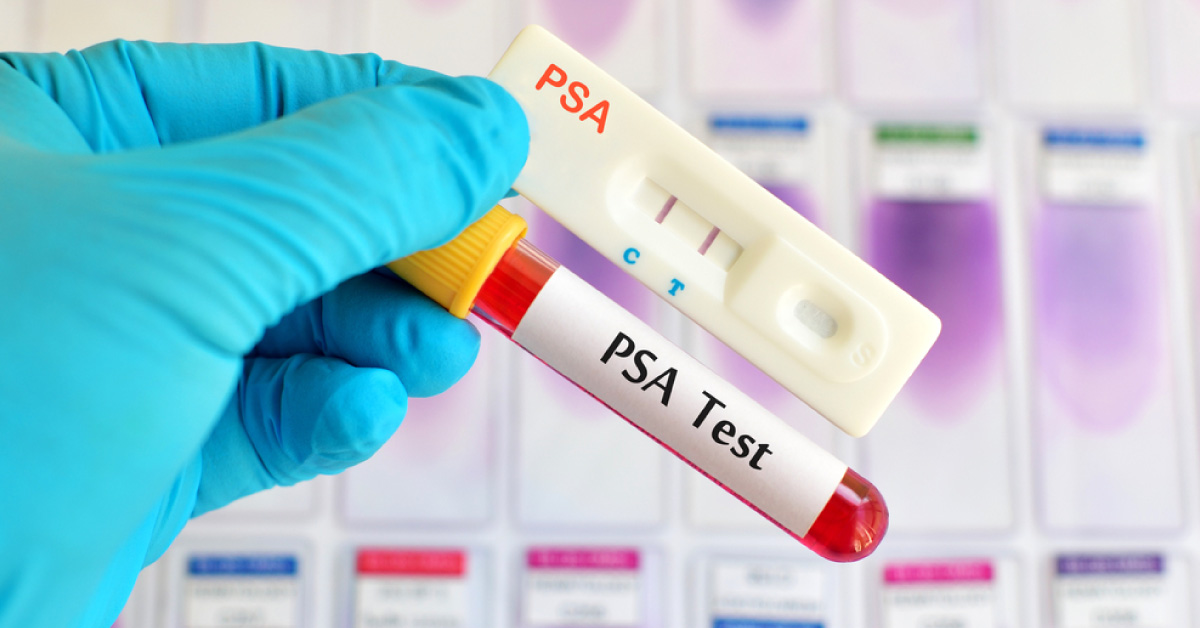
Prostate-specific antigen (PSA) is a glycoprotein that is expressed in both normal and neoplastic prostate tissue. The FDA originally approved PSA test in 1986 to monitor the progression of prostate cancer in men who had already been diagnosed with the disease. In 1994, the FDA approved the use of the PSA test in conjunction with a digital rectal exam (DRE) to test asymptomatic men for prostate cancer.
Men who report prostate symptoms often undergo PSA testing (along with a DRE) to help doctors determine the nature of the problem. PSA is consistently expressed in nearly all prostate cancers, although its level of expression on a per cell basis, especially in very poorly differentiated prostate cancers, is lower than in normal prostate epithelium. The absolute value of serum PSA is useful for determining the extent of the prostate cancer and assessing the response to prostate cancer…