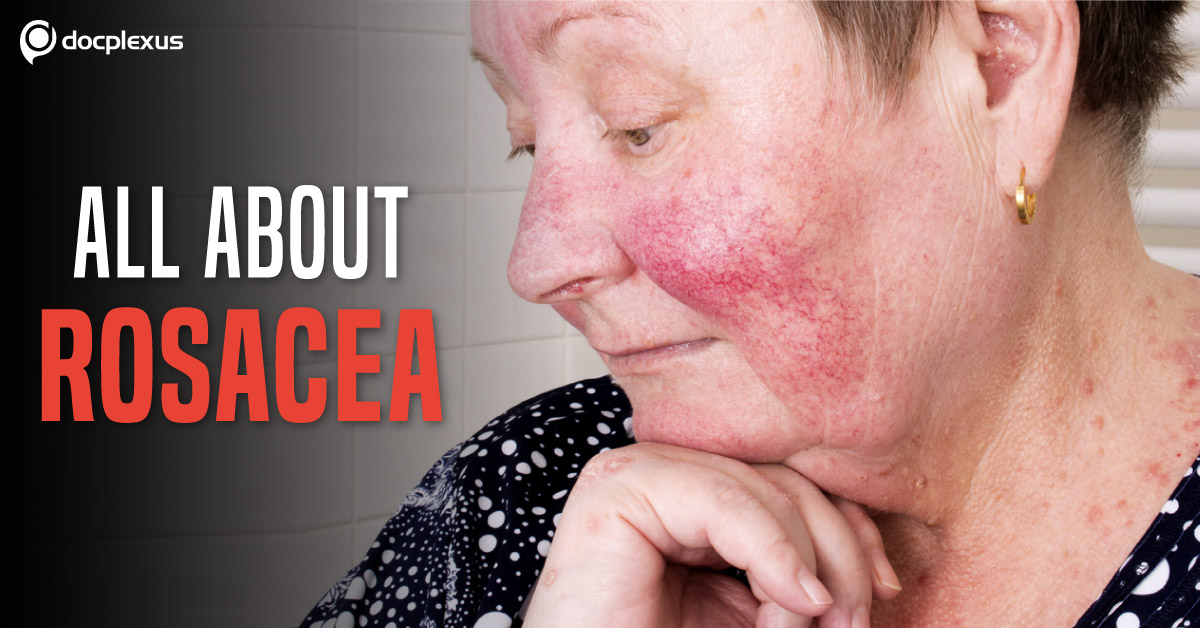
Rosacea is a common skin condition that causes redness and visible blood vessels in the face. It can also produce small, red, pus-filled bumps. Rosacea can be mistaken for acne, an allergic reaction, or other skin problems. Rosacea is associated with hyperreactivity of the innate immune system, which protects epithelial barriers against infection and chemical or physical injury.
This primitive, nonspecific inflammatory network is triggered by a range of environmental, dietary, hormonal, and lifestyle factors. Rosacea has a strong hereditary component, with recent genome-wide association studies showing a clustering of the genetic risk loci for rosacea, type 1 diabetes, celiac disease, rheumatoid arthritis, and multiple sclerosis. Rosacea can occur in anyone, but it mostly affects middle-aged women who have fair skin. Its signs and symptoms may flare up for a period of weeks or months…