
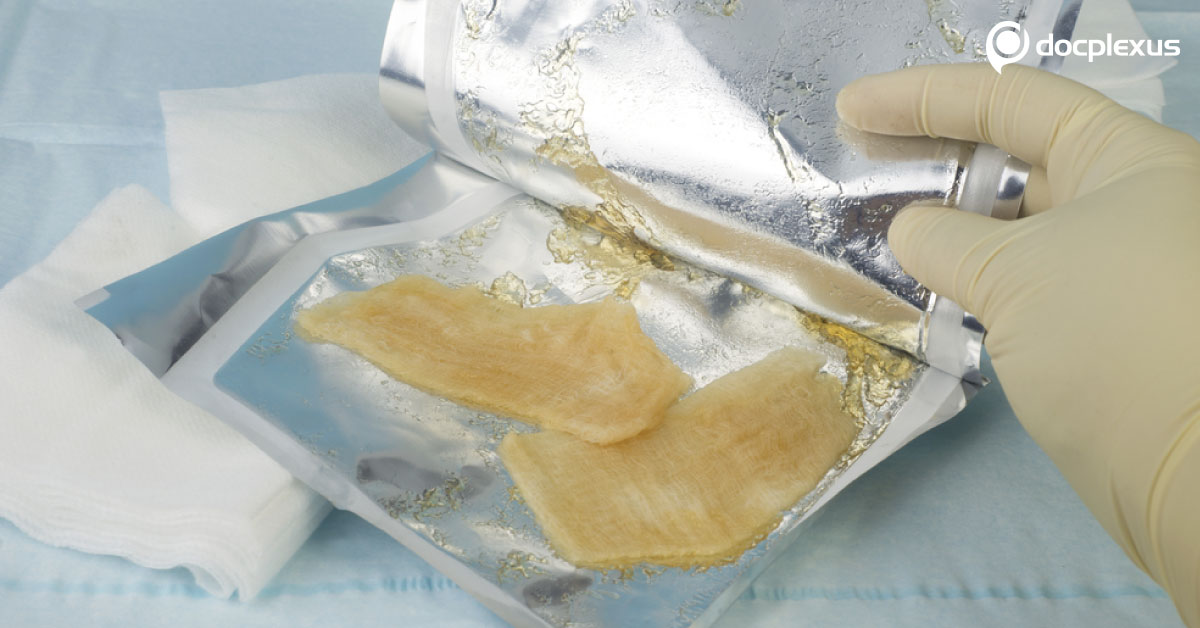
When traditional therapies to treat chronic wounds fail, skin substitutes are very useful. There are different types of these substitutes available and clinicians should make a clever choice as to which type should be used for which purpose. This article gives an overview about all the different types of substitutes available and their advantages and disadvantages. A wound is considered chronic if it does not respond to healing after 4-12 weeks of treatment, depending on the type of the wound.
Most of the times, chronic wounds to not respond to initial treatment and need advanced care. Some of the examples of chronic wounds are diabetic foot ulcers, venous leg ulcers, surgical wounds, burn wounds, and pressure injuries. In these cases, autologous grafts are a good choice for wound coverage. But there are some limitations, like less availability of skin for harvesting, particularly in…