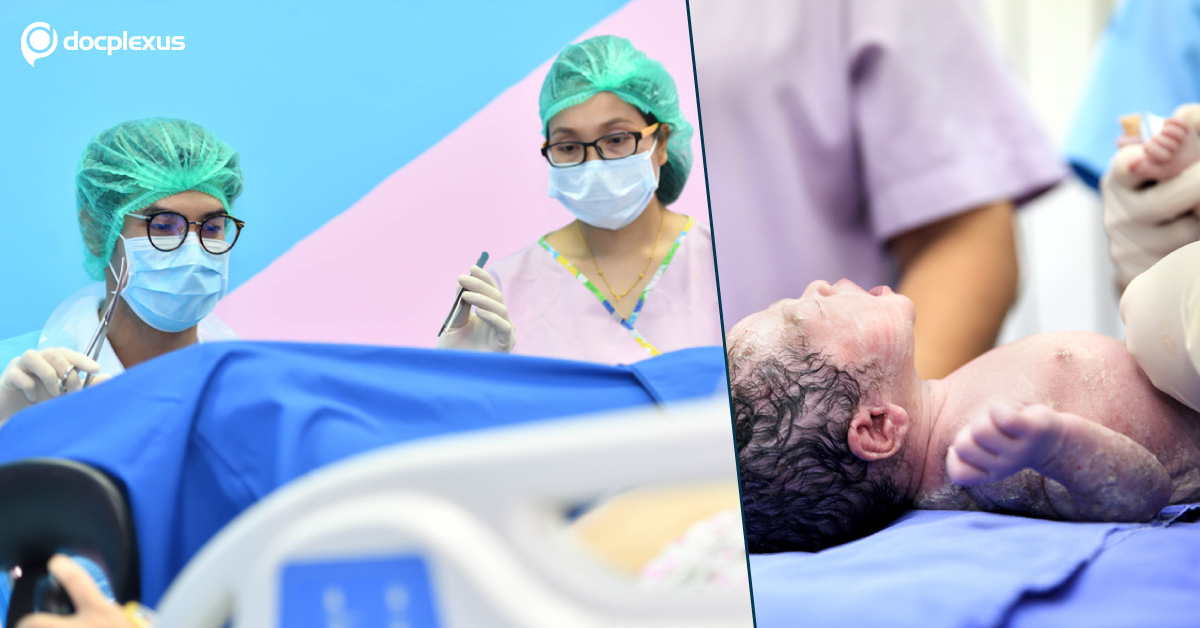
Second-stage labor pain is a form of pain that occurs due to increased distension of the vagina, vulva, and perineum. The sensory and motor fibers of the bilateral pudendal nerves are the principal sources of sensory innervation. Pain impulses travel through these pudendal nerves to the lower vagina, vulva, perineum, and anus. In vaginal births, infiltration of local anesthesia around the trunk of pudendal nerves (leading to inhibition of nerve transmission) allows safe and painless vaginal birth.
The present article reviews the use of transvaginal pudendal nerve block procedure for successful vaginal delivery. Case 1 A 29-year-old nulliparous woman at 39 weeks of gestation was presented to the obstetrics department with a history of irregular and painful contractions (for the last 3 days) along with difficulty in sleeping for the last 2 nights. A cervical examination conducted 24 hours…