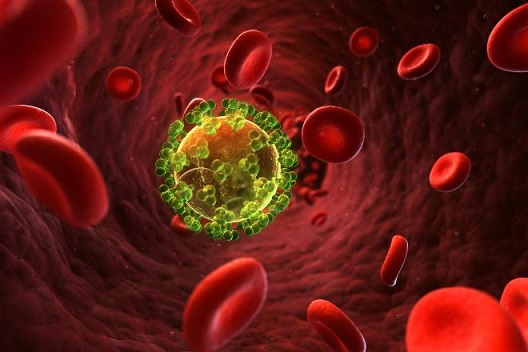
Soon there may be two new ways to fight AIDS: using a heat shock protein or a small molecule to attack fibrils in semen associated with the human immunodeficiency virus (HIV) during the initial phases of infection, according to new research from the Perelman School of Medicine at the University of Pennsylvania. HIV is most commonly transmitted between individuals in semen, the male reproductive fluid, which contains deposits of protein fragments called amyloid fibrils. These fibrils can increase the transmission of HIV by helping the virus attach to the membrane surrounding human cells.
The scientists surmise that therapies that reduce the levels of amyloid fibrils in semen might be able to reduce the transmission of HIV. First therapy involved the use of a heat shock yeast protein Hsp104 and an enhanced engineered variant to directly remodel fibrils into non-amyloid forms. Scientists…