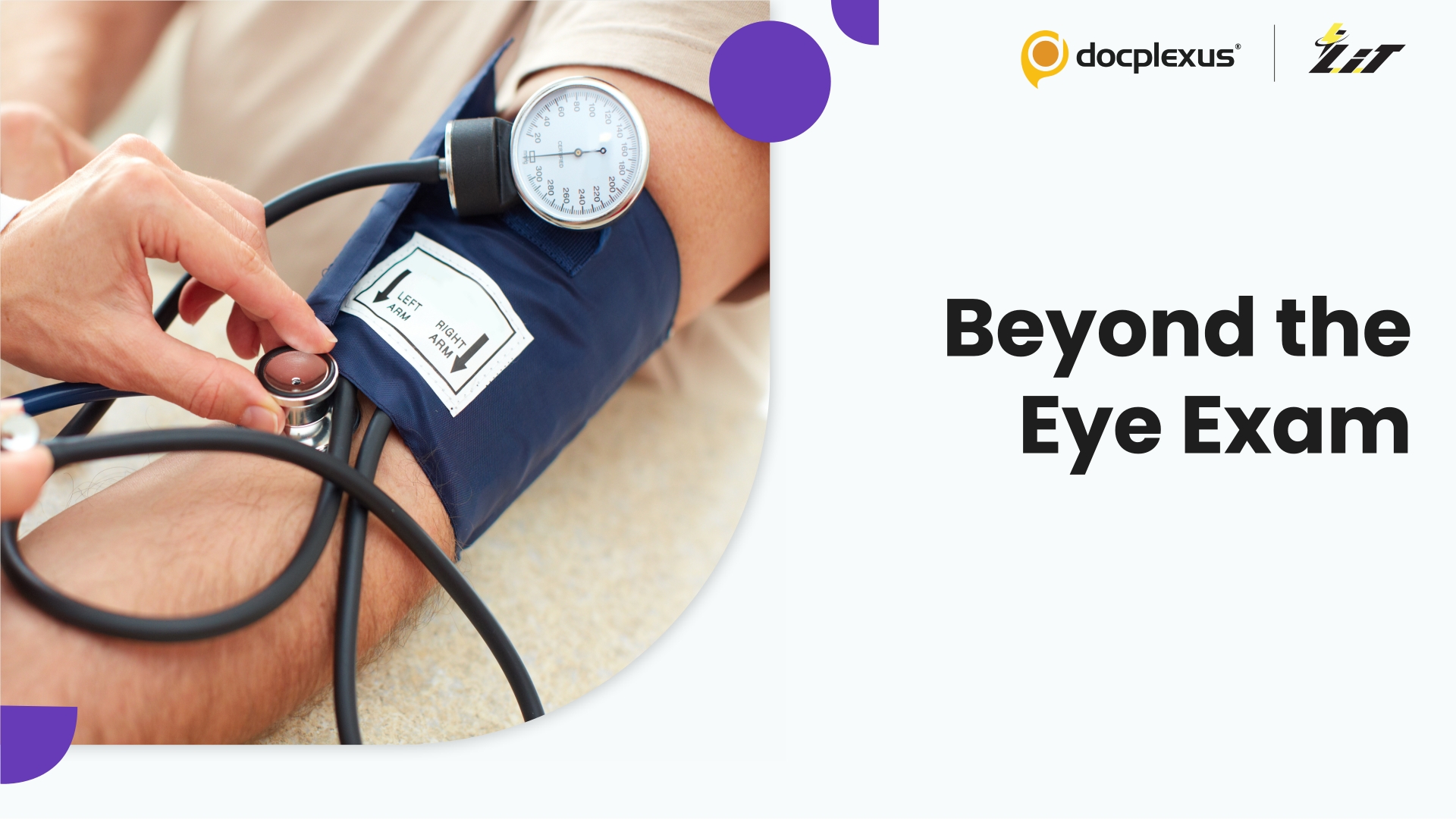
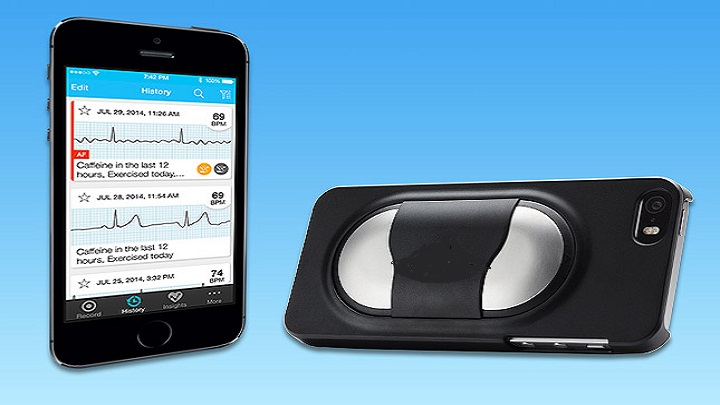
The concept of patient-generated data is nothing new, but the days of blood pressure cuffs and fingerstick glucose tests are coming to an end. This area is expanding to smartphones and wearable technology. And these new gadgets not only measure data, they immediately interpret that data. Soon smart watches will be available to continuously monitor blood pressure or blood oxygen concentration, and wearable sensors will track hemodynamic metrics like cardiac output and stroke volume. Routine lab work is also moving in the direction of the smartphone. But suddenly clinicians and patients have more data than they know what to do with.
And there are some concerns. Will the data be accurate or misleading? How will I deal with my patients getting torrential streams of data and sending these to me for guidance? Or will the computer algorithms bombard me with false or unnecessary alarms? I…