
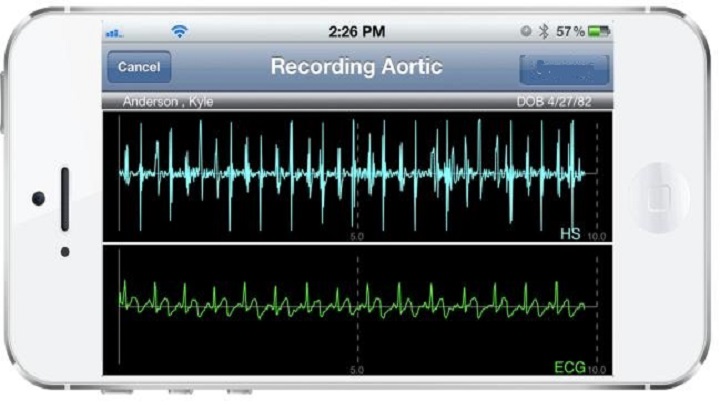
The prevalence of arrhythmias is increasing with an aging population. Various methods exist for the detection and ongoing monitoring of arrhythmias, which is essential in enhancing patient safety and providing optimal care. Patient choice and compliance, clinical indication and cost all play a role in deciding the most appropriate method, as no single option is ideal in every clinical scenario.
Although continuous-wear external monitors and implantable devices with atrial ECG analysis capability are most accurate in arrhythmia detection, alternatives have to be available to provide choice and mitigate high cost, risks, and compliance issues with these devices. Atrial fibrillation (AF) is the most common sustained cardiac arrhythmia and is associated with a risk of serious sequelae, including stroke, HF, and mortality. It can be asymptomatic or associated with nonspecific symptoms and is…