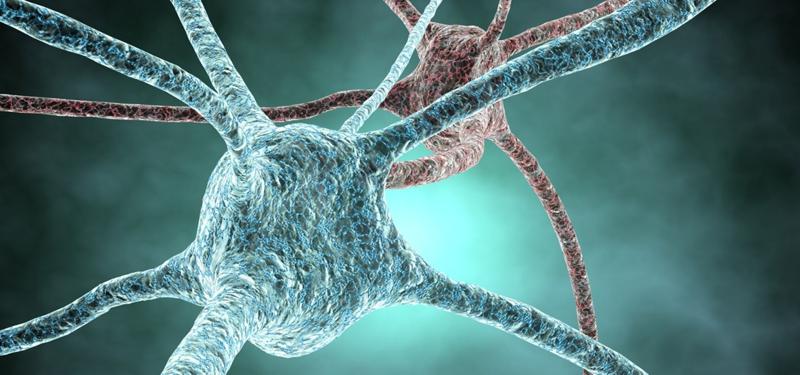
Studies of the electrical properties of motor neurons have shown that because of the higher input resistance of the dendrites of small motor neurons they tend naturally to be more excitable to spinal and to descending reflex excitation. This gives the smaller gamma-motor neurons a spontaneous, tonic activity of 30 to 50 impulses per second. Larger alpha-motor neurons have levels of spontaneous activity between 0 and 10 impulses per second. On receipt of increasing natural excitation, small motor neurons are recruited first and fire steady trains of action potentials.
The largest alpha-motor neurons are the last to be recruited, and when active fire intermittent bursts of high-frequency action potentials. A system of specific neuronal address by the corticospinal tract adds a higher direct control to Henneman recruitment. This is a most important aspect of neuronal organization and…