
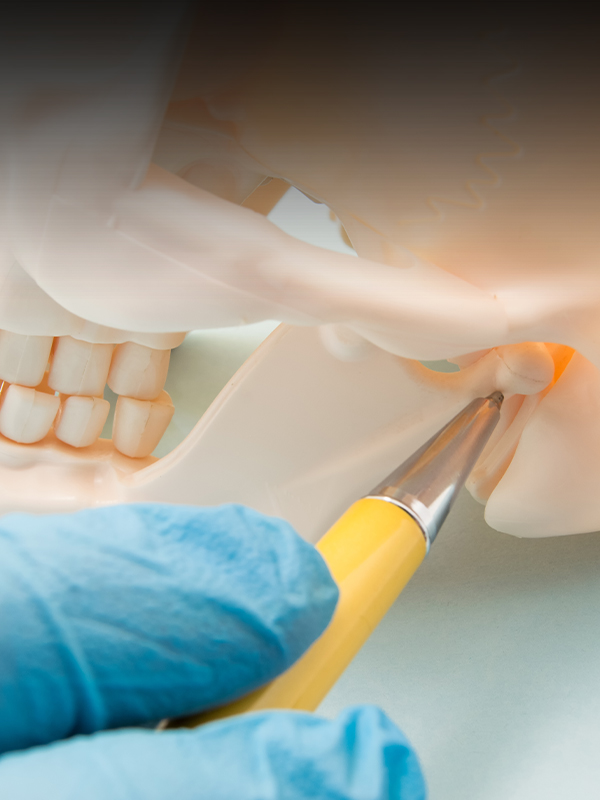
Temporomandibular joint disorders (TMD) affect up to 25% of the population, yet their etiology and progression are poorly understood. As a result, treatment options are limited and fail to meet the long-term needs of the young patient population. The typical features of TMD include pain in the temporomandibular joint (TMJ), restriction of mandibular movement, and TMJ sounds. The unique nature of each TMD case requires patient-specific analysis accompanied by various diagnostic modalities.
Because of the mechanically demanding and biochemically active environment of the TMJ, therapeutic approaches capable of restoring joint function while responding to changes in the joint have become a necessity. To learn more about the disorders affecting TMJ, join expert dentist Dr. Varun Kunte for a session on “TMJ Disorders: Diagnosing the Undiagnosed” on 6 th November 2022, 6:00 PM IST onwards. …