
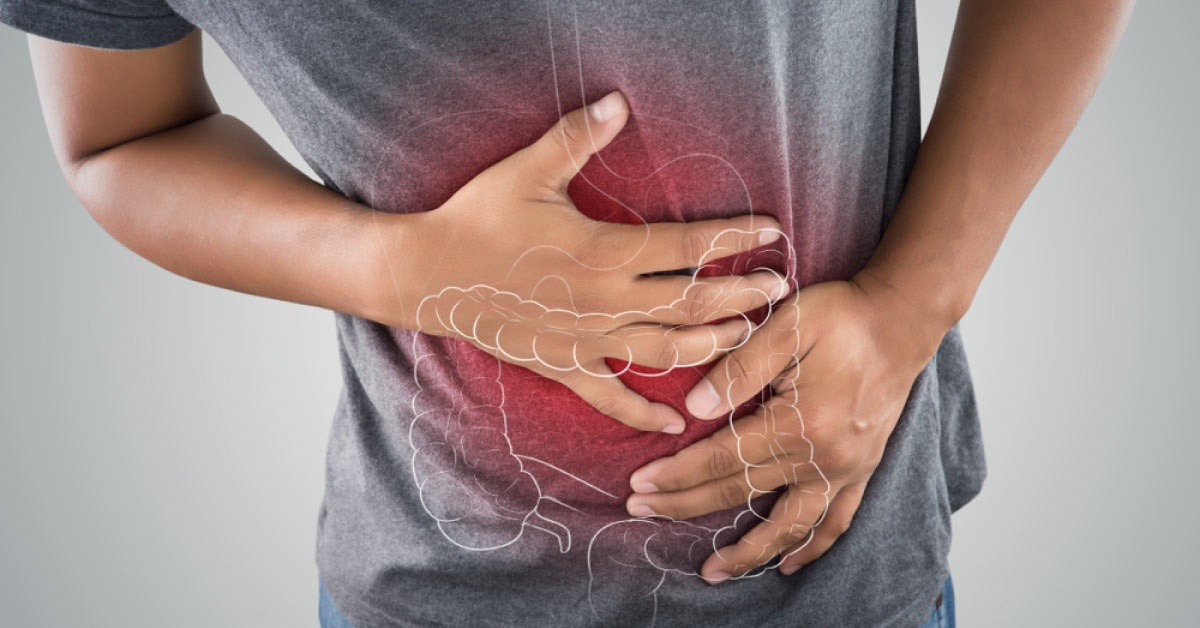
Enterotoxic Escherichia coli (ETEC) is the most common cause of acute travellers’ diarrhoea globally. Chronic (>14 days) diarrhoea is less likely to be caused by bacterial pathogens. Prophylactic antibiotic use is only recommended for patients vulnerable to severe sequelae. After a short period of diarrhoea, such as those with ileostomies or immune suppression.
A short course (1-3 days) of antibiotics taken at the onset of travellers’ diarrhoea reduces the duration of the illness from 3 days to 1.5 days Diarrhoea is a common problem affecting between 20% and 60% of travellers, particularly those visiting low and middle income countries. Travellers’ diarrhoea is defined as an increase in frequency of bowel movements to three or more loose stools per day during a trip abroad, usually to a less economically developed region. This is usually an acute, self limiting condition and is rarely…