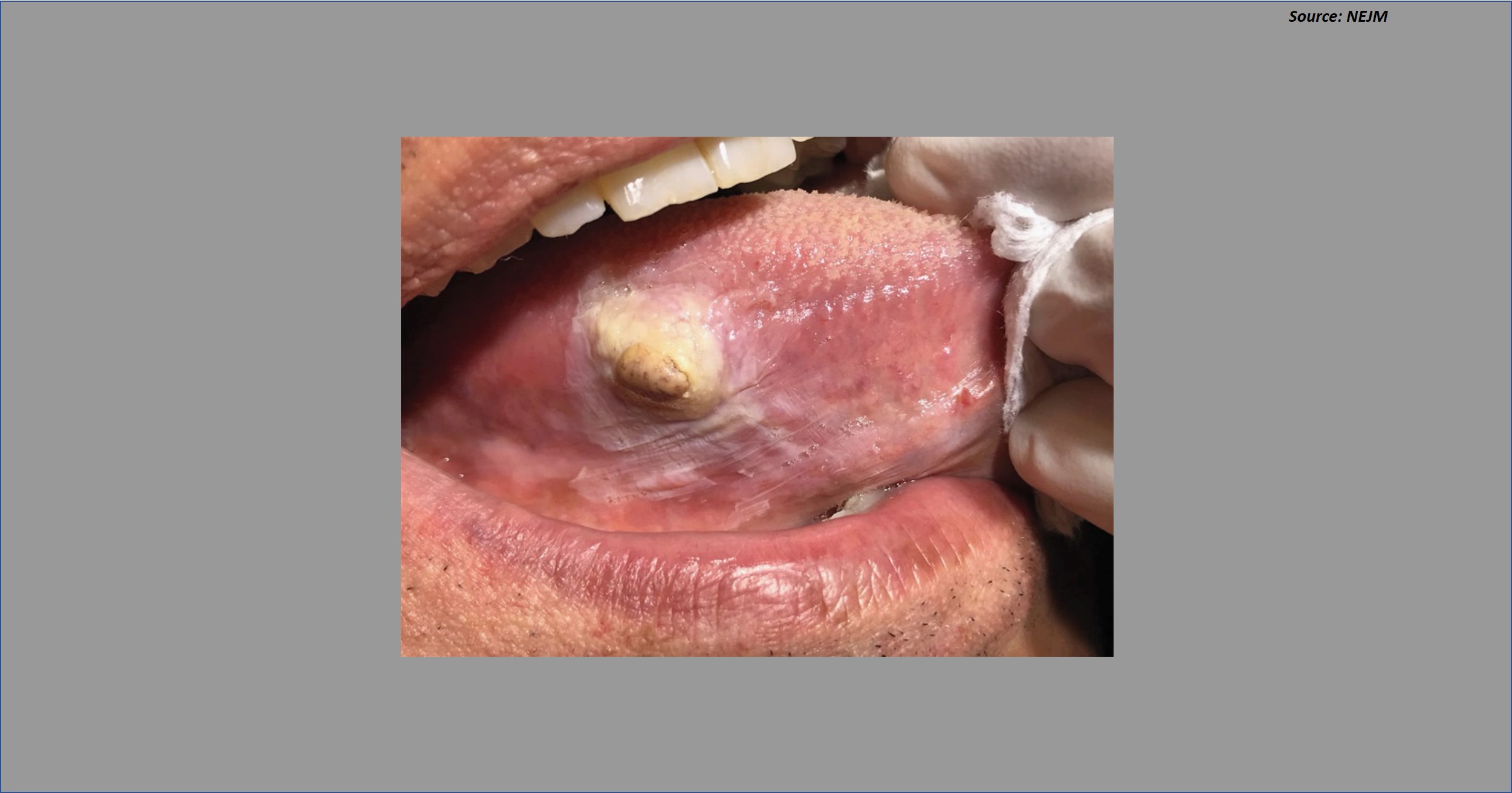
Head and neck cancers remain a global challenge, with tobacco, alcohol, and viral infections driving an alarming rise in cases. Despite advances in surgical techniques and radiotherapy, late-stage presentation and tumor complexity hinder diagnostic accuracy and patient survival. This review highlights deep learning breakthroughs that can automate image interpretation, detect subtle tumor features, and personalize treatment planning. However, barriers such as limited annotated datasets, high computational requirements, and ethical dilemmas must be addressed for clinical adoption.
AI-driven imaging has the potential to redefine ENT oncology, offering earlier detection and more precise interventions than ever before. To see how AI could transform your practice and reshape ENT oncology, read the full study now . How ready are we, as ENT specialists, to trust and integrate AI-driven…