
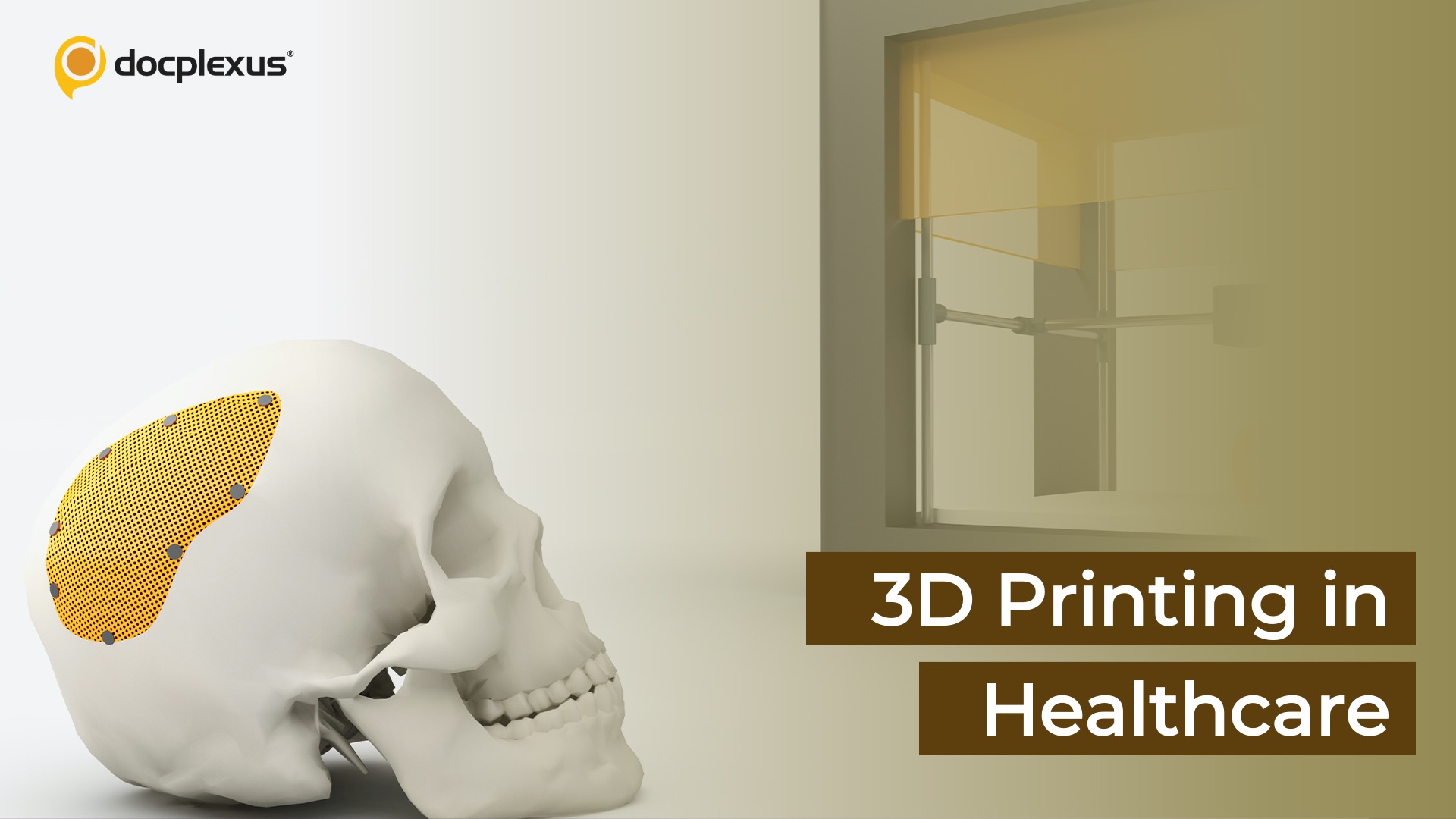
3D printing was developed for the first time in the 1980s and is also known as additive manufacturing. It involves taking a digital blueprint of the subject, then printing in successive layers of appropriate material to create a 3D version. 3D printing has created an enormous opportunity for the medical industry too. Multiple healthcare sectors, such as orthopedics and dental, are benefiting from 3D printing.
The technology offers new ways to provide personalized care and create the best-performing medical devices. Advantages of 3D printing Complexity - Surgical implants have complex organic structures; hence they are expensive when made with traditional manufacturing methods. However, a 3D printer can create these complex structures at less cost. Customization - Dental implants, cosmetic prosthetics, and even scale models can all be created according to the patient’s specifications.…