
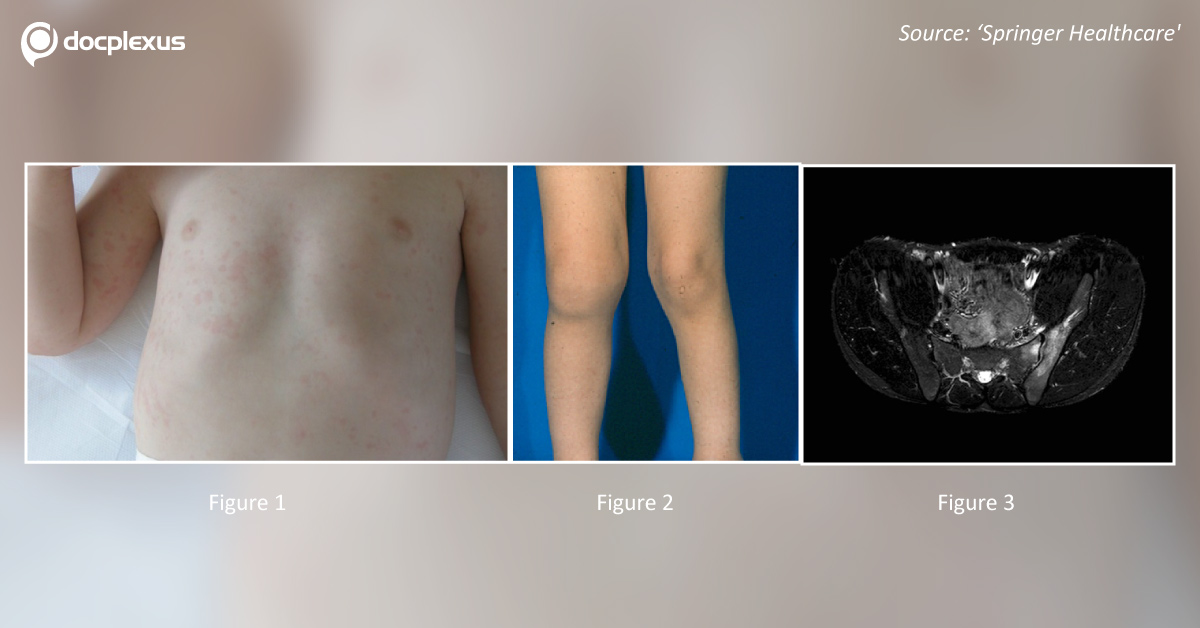
Juvenile idiopathic arthritis (JIA) describes a group of clinically heterogeneous diseases with unique clinical features, presentations, etiology, and pathogenesis. The onset is before 16 years and generally lasts for six weeks.1 Diagnosis of JIA is challenging due to the lack of usual pathognomonic features. Therefore, this article aims to summarize the epidemiology, clinical manifestations, diagnosis, and management of JIA. Epidemiology Among the chronic rheumatic diseases found in children, JIA is the most common form.
It results in many cases of short- and long-term disability. 1 However, there is a remarkable disparity in the distribution of JIA subtypes worldwide. 2 Classification: Among the several classification systems that have been proposed, the one created by the Pediatric Task Force of the International League of Associations for Rheumatology (ILAR) is the most widely used.…