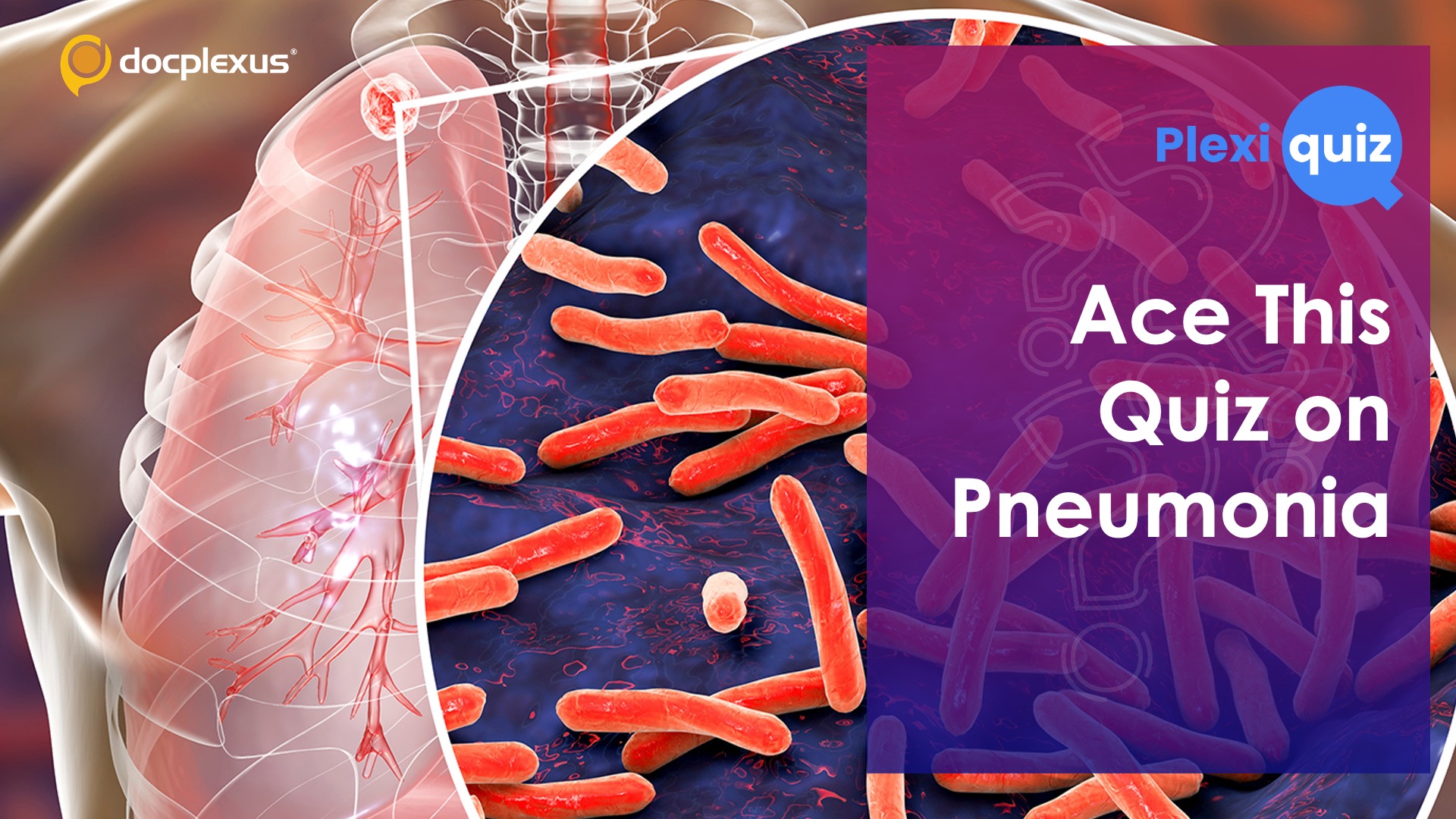
Pneumonia is a lung disease characterized by the inflammation of the airspaces in the lungs, most commonly due to an infection. The disease can be life-threatening to people of all ages but particularly to infants, children, and people over 65 years of age. Pneumonia is the largest cause of death in children, accounting for 15% of all deaths under five years of age globally. Several infectious agents, including viruses, bacteria, and fungi, cause pneumonia. The viruses and bacteria commonly found in a child's nose or throat can infect the lungs if they are inhaled.
They may also spread via aerosol droplets from coughing or sneezing. Additionally, pneumonia may spread through blood, especially during and shortly after birth. Typical symptoms include cough with phlegm or pus, fever, chills, and difficulty in breathing. Pneumonia can be classified into three types based on the source of…