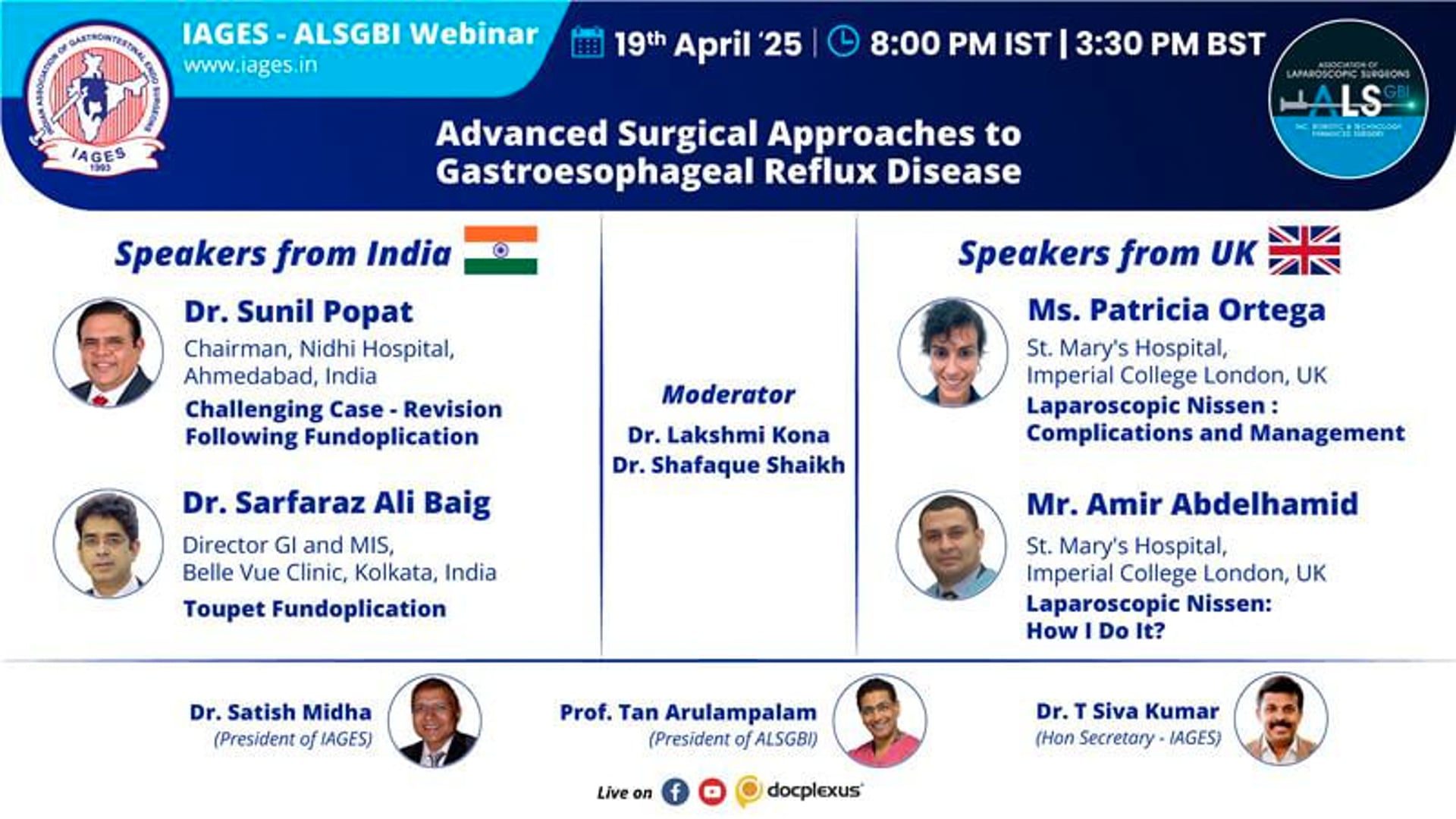
Gastroesophageal reflux disease (GERD) is a chronic condition characterized by the backflow of stomach contents into the esophagus, leading to symptoms such as heartburn, regurgitation, and potential esophageal damage. While lifestyle modifications and pharmacological therapy are first-line treatments, many patients with persistent or severe symptoms may require surgical intervention. Advanced surgical approaches to GERD focus on enhancing long-term symptom control and reducing complications.
Fundoplication remains the cornerstone procedure, offering effective reinforcement of the lower esophageal sphincter. Laparoscopic techniques have improved precision and recovery, while revision surgeries are increasingly employed to address recurrent or refractory cases. To gain detailed insights into advanced surgical approaches to gastroesophageal reflux disease, join leading gastrointestinal…