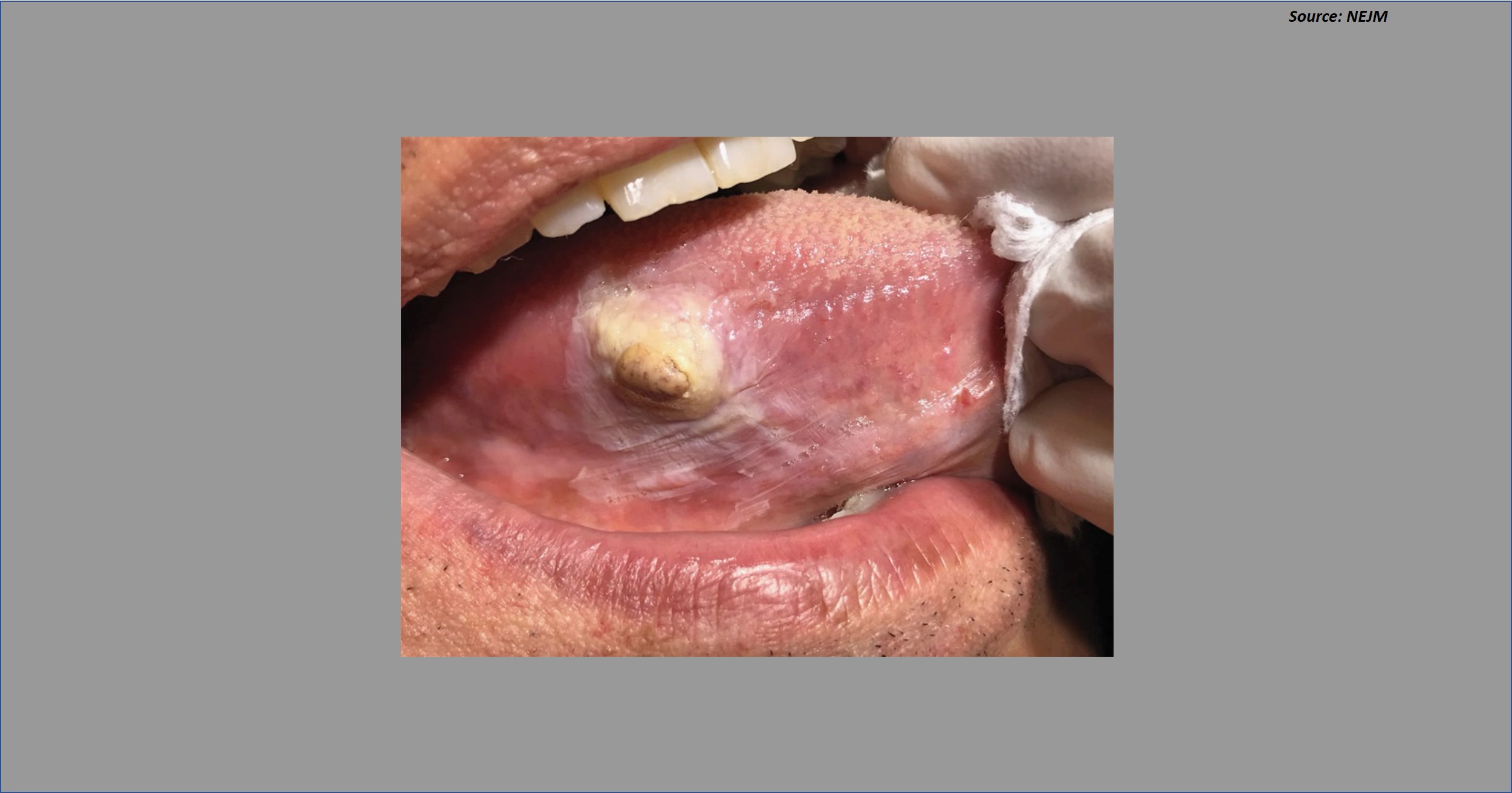
Pain is most agonizing symptom of cancer, the menace. In addition, pain is usually a hallmark of progression or metastatic spread, and 65 to 85 percent of people with cancer have pain when they develop advanced disease. Residual pain is an increasing burden in cancer survivors as well. In 10 to 20 percent of cancer cases, pain is difficult to treat, frustrating, and poorly controlled.
Currently, opioid pharmacotherapy is the principal weapon in the fight against cancer pain; but when conservative treatments are unsuccessful, least invasive interventions should be added to optimize pain relief. Interventional pain procedures target neural and non-neural pain generators and neural blockade techniques provide excellent pain relief for neuropathic, sympathetic, nociceptive somatic, or visceral pain. Neural blockade techniques are broadly categorized into non-neurolytic and neurolytic…