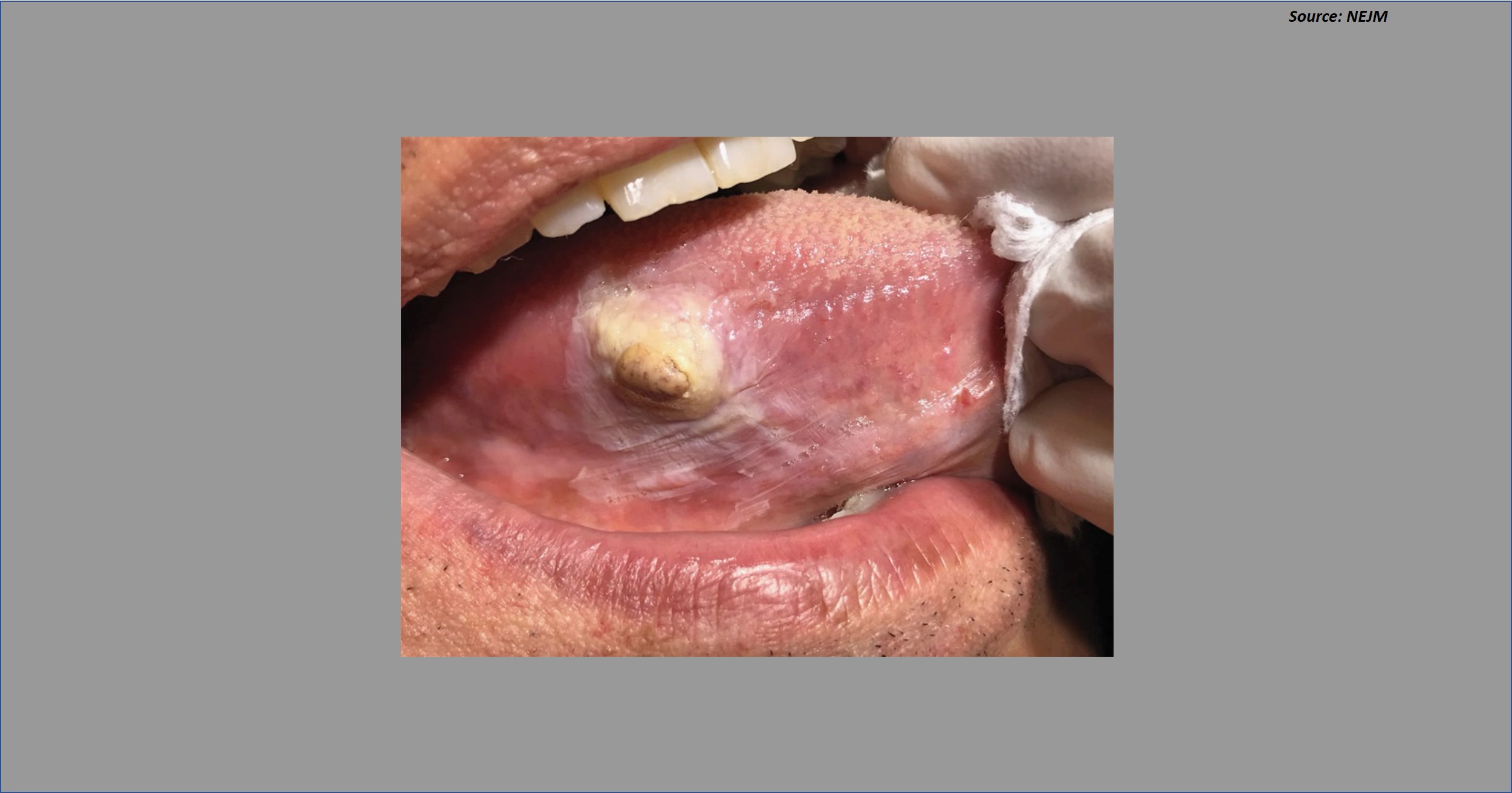
The exponential growth of deep learning research in dermatology since 2016 has fueled major advances in skin imaging, rapid lesion diagnosis, and clinical decision support. AI models, particularly neural networks, now efficiently analyze dermatoscopic and histological images, enabling faster and more accurate identification of skin diseases. However, the field faces significant regulatory and ethical challenges , as gaps persist in both EU and US frameworks, and model performance still varies across datasets.
Ensuring safety, trust, and the representativeness of AI systems is essential for broad adoption. This review emphasizes the need for harmonized regulation, standard validation metrics, and ongoing research to guarantee transparency and reliability as AI continues to transform dermatological practice. For a deeper dive into the AI revolution in dermatology— click here ##Reference##…