
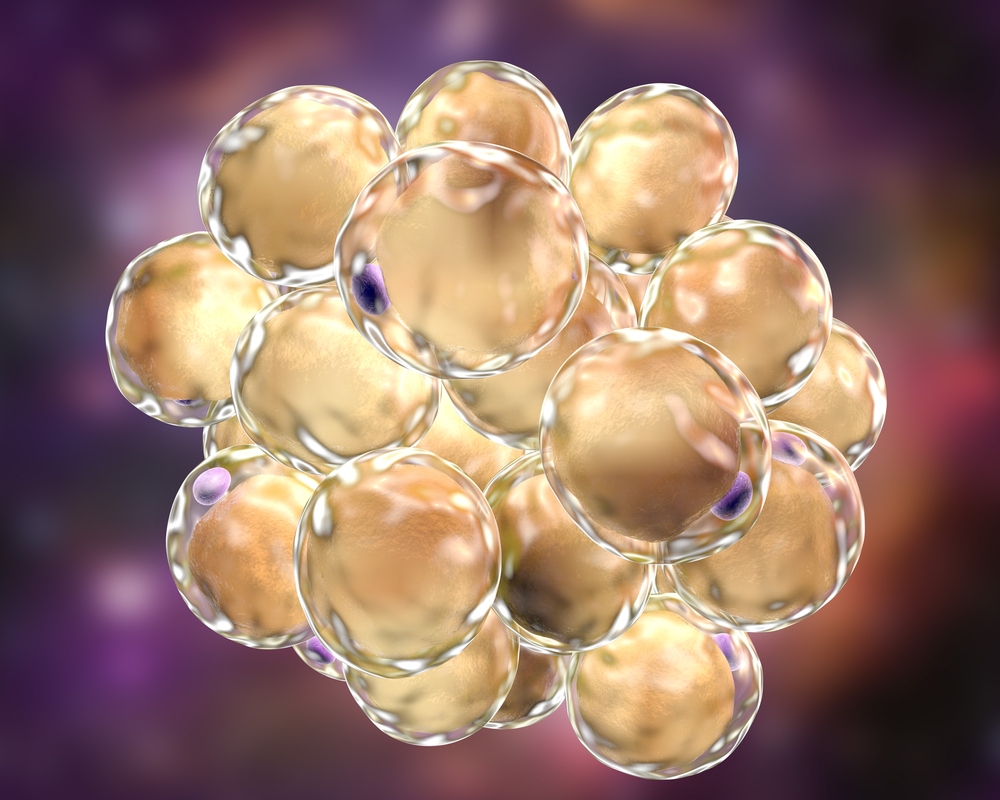
Lipid emulsions were introduced into clinical practice more than five decades ago as a non-glucose-based energy source for parenteral nutrition. Now, intravenous lipid emulsions have been used for salvaging systemic local anesthetic toxicity, since the local anesthetic toxicity remains a concern when performing regional anesthesia. This article will focus on lipid emulsions as drug administration vehicles, and their significant use. An emulsion is formed by small liquid droplets being dispersed in a second liquid.
Lipid emulsions are mostly referred as lipid rescue for systemic local anesthetic toxicity. They are used as drug carrier vehicles, for the management of lipophilic drug toxicity and as an adjuvant for the management of myocardial ischaemia-reperfusion injury. Lipid emulsions Long-chain triglyceride (LCT) based emulsions have been widely used as these lipids provide a rich…