
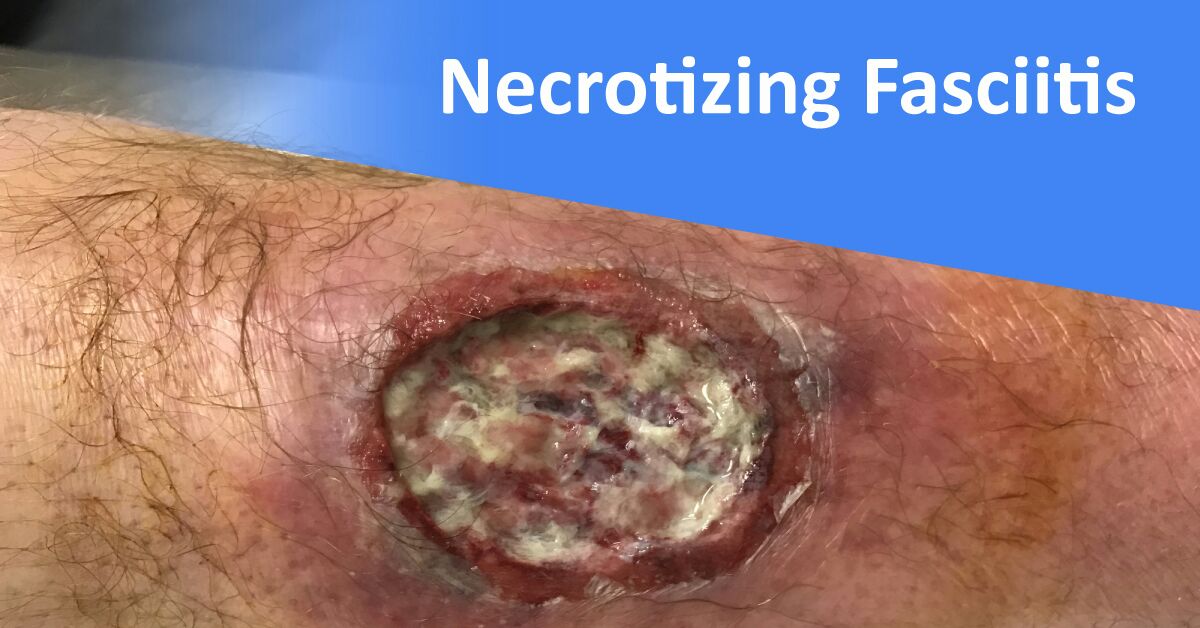
Necrotizing Fasciitis is a severe and often life-threatening musculoskeletal infection that also affects the skin to some extent. Besides surgical debridement and oxygenation, effective management of the condition require a through antibiotic treatment. The most predominant microorganism responsible for Necrotizing Fasciitis is Group A Streptococcus (known as ‘flesh-eating bacteria’). These species are also responsible for the fastest and most severe form of the disease resulting in rapid necrosis of the fascia and subcutaneous tissue, skin and the vasculature.
The toxin released by the pathogen (Exotoxin A) stimulates cytokine production that leads to the epithelial damage. Methicillin-Resistant Staphylococcus aureus (MRSA) is also responsible for the disease. In several cases, mixed infection is reported. Management with Antibiotics based on Gram Staining Result: Gram-Positive rods:…