
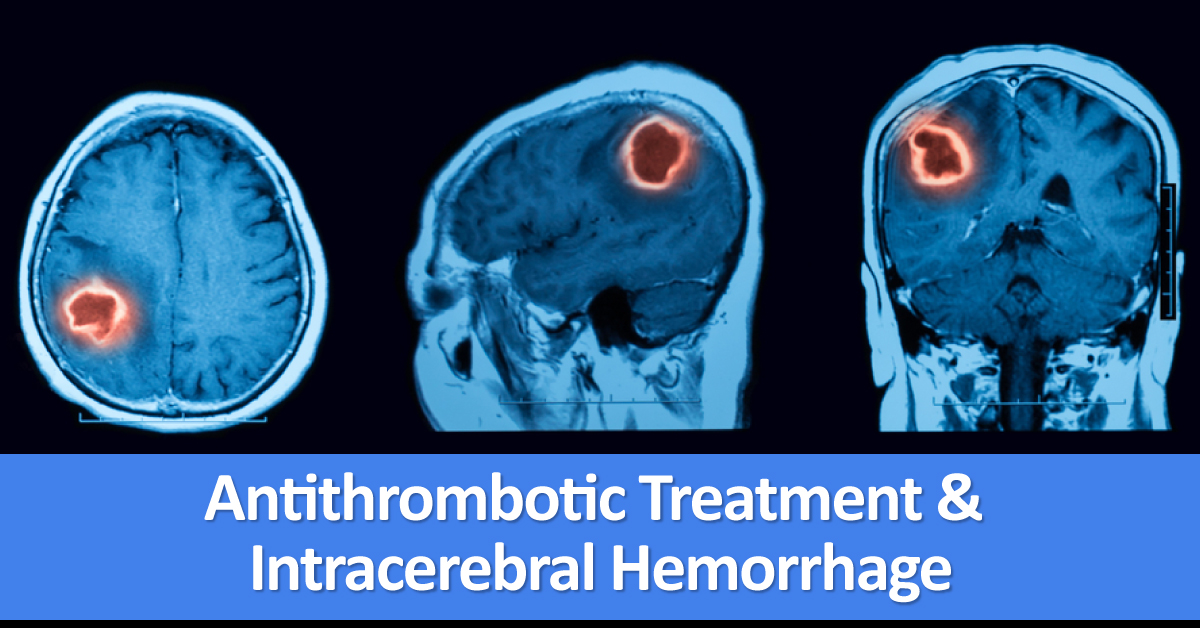
Anticoagulants and anti-platelet agents are prescribed to prevent thromboembolism in the brain, heart, limbs, and lungs in the individuals at risk. However, it is necessary to balance the benefits of antithrombotic agents against the increased risk of recurrent intracerebral hemorrhage (ICH) and hemorrhagic complications associated with their use. This article reviews the risks and benefits of antithrombotic treatment and the management of ICH. Intracerebral hemorrhage (ICH) is the extravasation of blood into brain parenchyma following the rupture of cerebral artery or arteriole.
ICH is associated with high mortality and morbidity throughout the world with no proven effective treatment. Up to 25%, ICH patients take oral anticoagulants whereas 20% take platelet inhibitors. However, ICH patient management has always posed a therapeutic dilemma, because stopping, or restarting after…