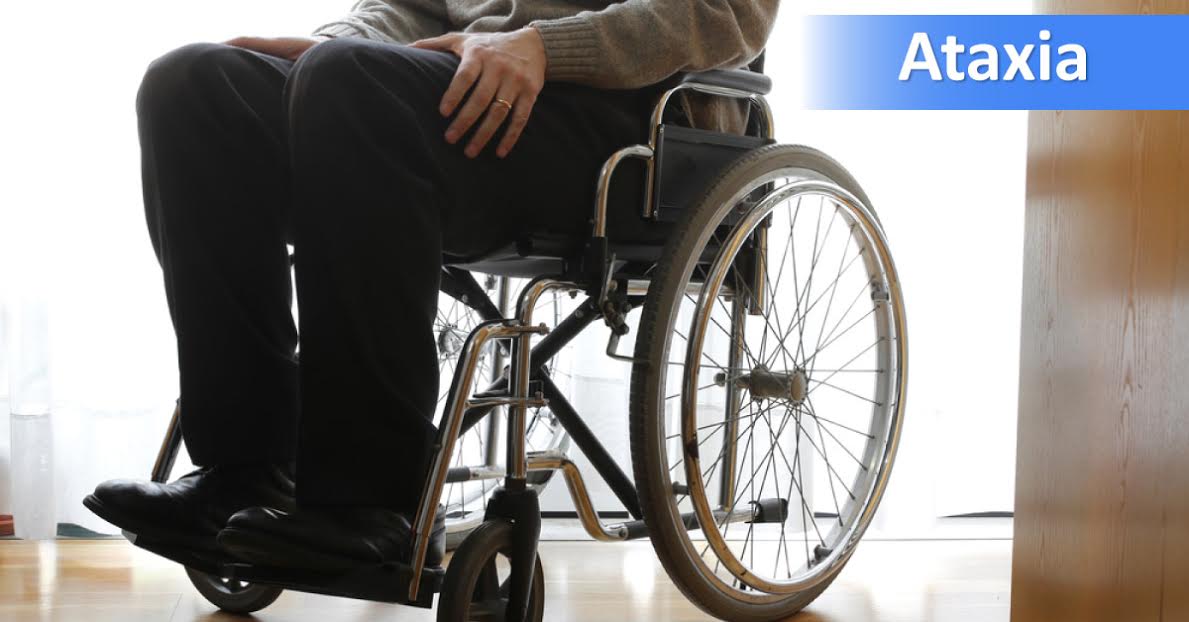
Ataxia is a lack of coordination on voluntary movements mainly due to damage to a cerebellum. Injuries to other parts such as spinal cord may also develop ataxia. This article summarizes the types, diagnosis, and treatments available for ataxia. Types: Cerebellar ataxia: The patient may show the symptoms like Floppiness (hypotonia), asynergy, dysmetria, dyschronometria, and dysdiadochokinesia. The extent of symptoms depends on which parts of the cerebellum are damaged, and whether lesions occur on one side (unilateral) or both sides (bilateral).
Sensory ataxia: In this type, there is a lack of sense of the relative position of neighboring parts of the body. A patient with sensory ataxia typically has an unsteady stomping gait, their instability is worsened. Vestibular ataxia: The vestibular system is affected. In acute (sudden) unilateral cases, the patient may experience vertigo,…