
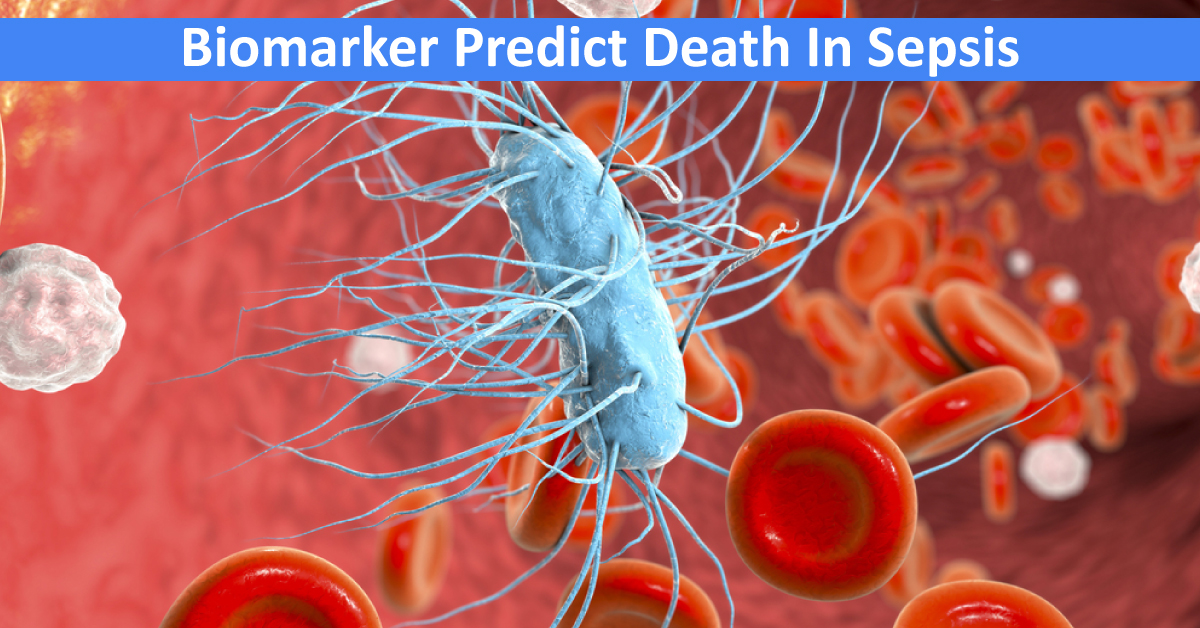
Almost all type of pathogens – bacteria, fungi, parasites, and viruses – can aggravate the life-threatening condition, which leads to the body’s immune system overreacting and attacking its own tissues and organs. Sepsis is difficult to diagnose and even more difficult to treat. Duke scientists have discovered a biomarker of the runaway immune response to sepsis that could improve early diagnosis, prognosis, and treatment to save lives.
Facts and Figures The 20 th century witnessed a remarkable decrease in infectious disease deaths. Although a great deal of the decline was due to improved sanitation, early antibiotics, resuscitation, and supportive hospital care have also played major roles, particularly in improving outcomes in bacteremia and sepsis. With sepsis mortality, still up to 5.3 million people each year, there has long been hoping that this therapeutic arsenal could be…