
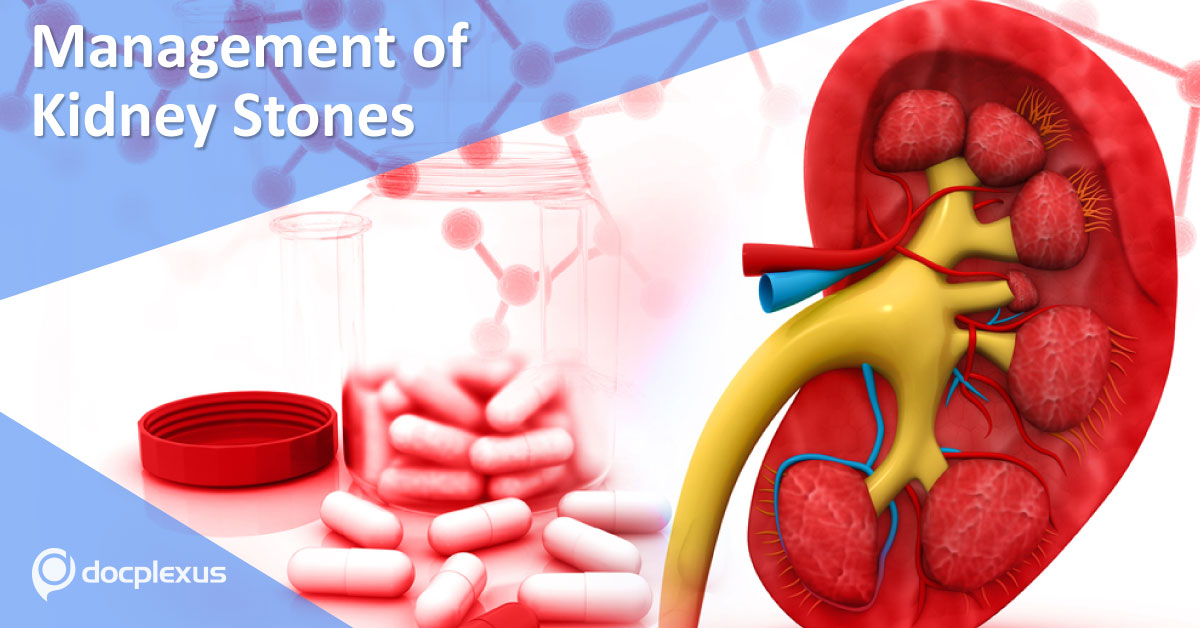
Renal and ureteral stones are a frequent problem in primary care practice. Patients may present with the classic symptoms of renal colic and hematuria. Others may be asymptomatic or have atypical symptoms such as vague abdominal pain, acute abdominal or flank pain, nausea, urinary urgency or frequency, difficulty urinating, penile pain, or testicular pain.
Primary care clinicians need to be alert to the possibility of nephrolithiasis and its consequences to decide upon a diagnostic approach, therapy, and the need for referral to a urologist. The European Association of Urology (EAU) Urolithiasis Guidelines Panel have prepared these guidelines to help assess evidence-based management of stones/calculi and incorporate recommendations into clinical practice. The document covers most aspects of the disease, which is still a cause of significant morbidity despite technological and scientific…