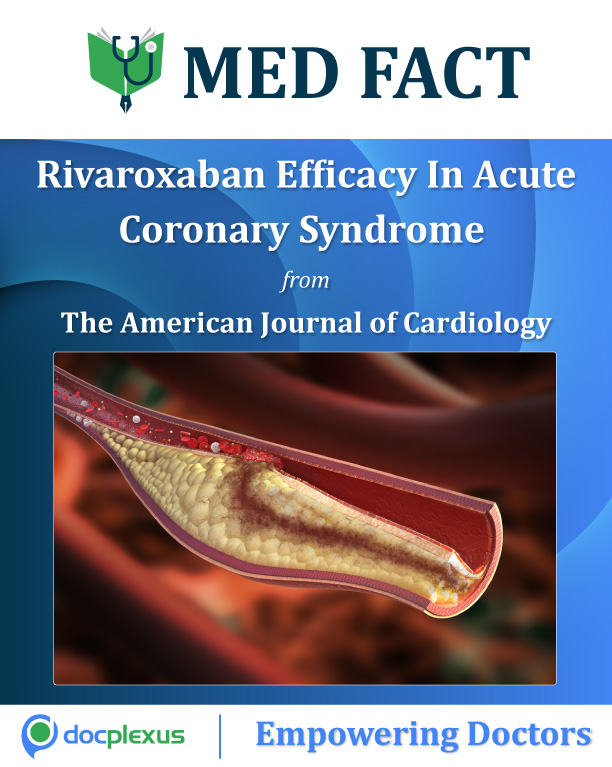
Synopsis D-dimer is used as both a diagnostic and prognostic biomarker in the assessment of patients with venous thromboembolism (VTE). It was hypothesized that elevated baseline D-dimer would be associated with poorer clinical outcomes and that rivaroxaban could reduce D-dimer levels. The present study evaluates the safety and efficacy of rivaroxaban in patients with recent acute coronary syndrome (ACS). This week’s “ MED FACT ” discusses a randomized control trial from The American Journal of Cardiology, “ D-Dimer Levels and Effect of Rivaroxaban on Those Levels and Outcomes in Patients With Acute Coronary Syndrome (An ATLAS ACS-TIMI 46 Trial Substudy) ”. Authors: F.
AlKhalfan, et. al. Key Takeaways Administration of the Factor Xa inhibitor, rivaroxaban was associated with lower D-dimer levels compared with placebo after the first dose. Objective: The purpose of this study is to…