
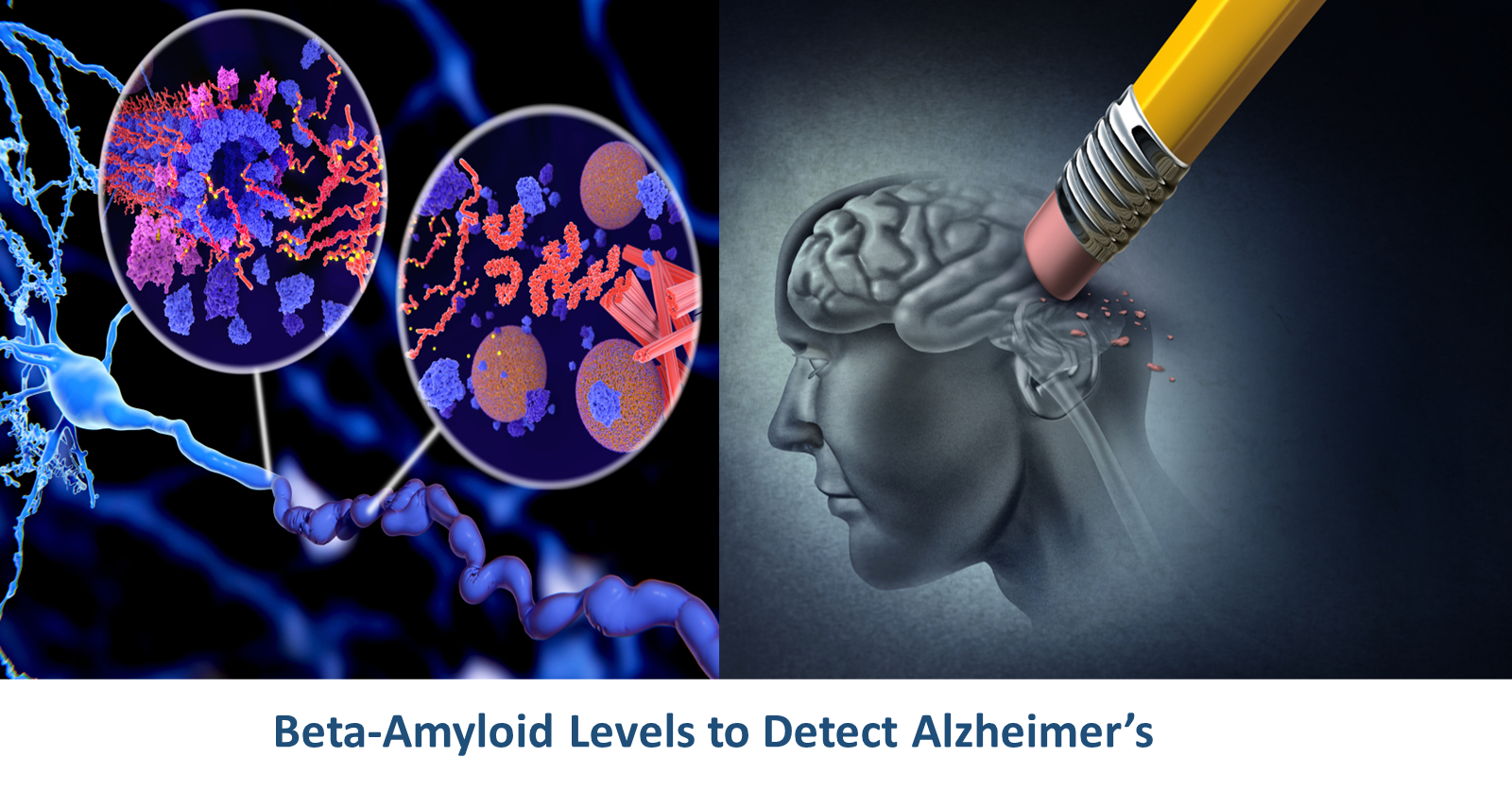
Alzheimer’s disease (AD) is characterized by progressive degeneration of cognitive abilities, mostly in the elderly population, with 10% of cases occurring in younger people. It is the most common cause of dementia globally, with an incidence rate per 1000 person-years of 11.67 (95% CI: 10.9–12.4) for patients ≥ 55 years of age. The hallmarks of AD include: β-amyloid plaque deposition Neurofibrillary tangles of hyperphosphorylated tau AD is diagnosed based on multiple clinical presentations, which fulfil several criteria. Fluid and imaging biomarkers also assist in diagnosing AD.
The cerebrospinal fluid (CSF) is analyzed for β-amyloid and tau proteins concentrations to detect AD. This process requires an invasive sampling of the CSF and is costly and time-consuming. A recently developed method helps diagnose AD from the patients’ blood samples, making the process quick and…