
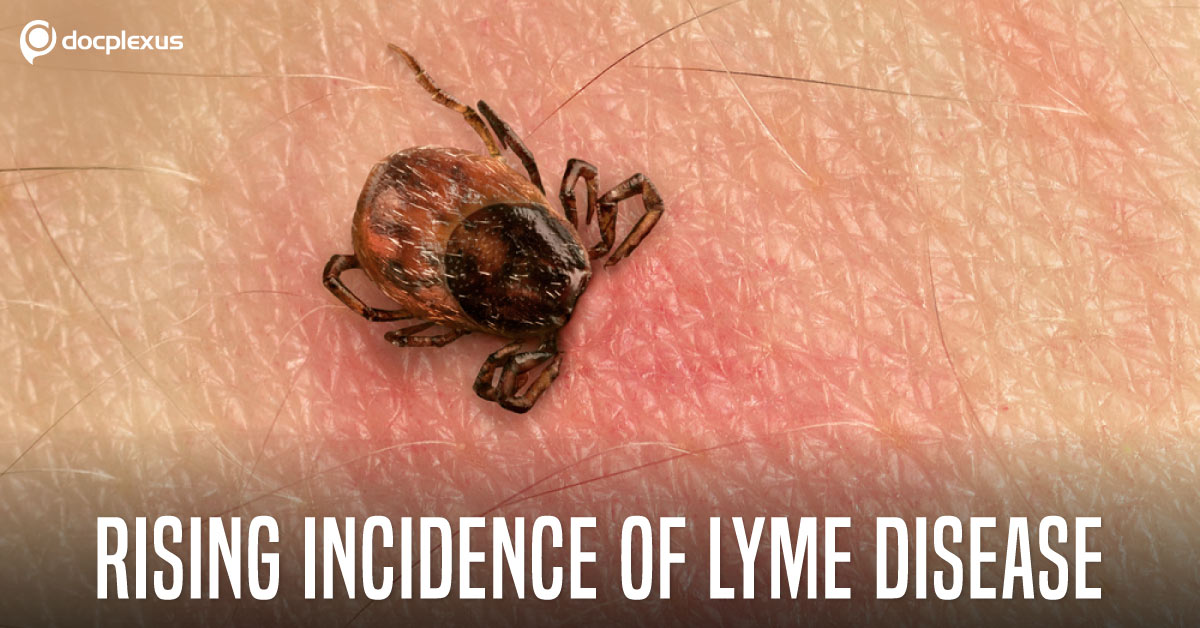
Lyme disease (LD) is caused by the bacterium Borrelia burgdorferi and is transmitted to humans through the bite of infected black-legged ticks. LD is a multisystem inflammatory disease that affects the skin in its early, localized stage and later spreads to the joints, nervous system, and other organ systems. If diagnosed and treated early with antibiotics, it is almost always readily cured. In its later stages also, LD can be treated effectively, but because the rate of disease progression and individual response to treatment varies from one patient to the other, some patients may have symptoms that linger for months or even years following treatment.
Signs and symptoms Lyme disease can produce a wide range of symptoms, depending on the stage of infection. These include fever, rash, facial paralysis, and arthritis. Early signs and symptoms (Within 3 to 30 days after tick bite)…