
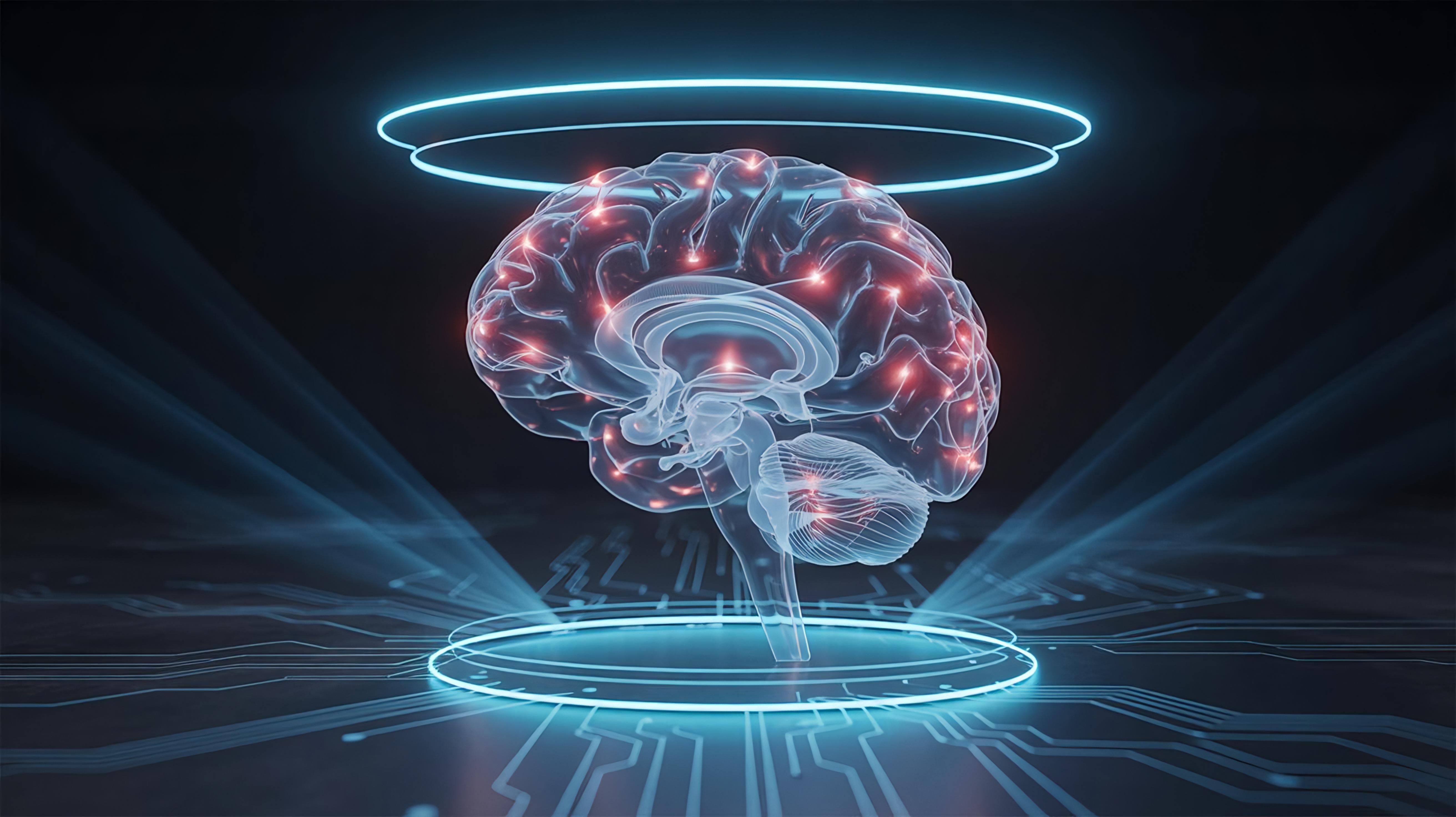
The growing integration of computer-assisted diagnostic systems into medicine offers an opportunity to improve the accuracy, consistency, and speed of neurological diagnosis. By combining clinical findings with imaging data and predefined algorithms, it may become possible to reduce observer bias and predict disease manifestations, progression, and therapeutic outcomes more reliably. A structured understanding of brain behavior in neurological disorders can serve as the foundation for such predictive models. 1.
The Position Principle The location of a lesion within the brain is one of the most important determinants of clinical presentation. Lesions situated in central or midline structures tend to produce more pronounced neurological symptoms and signs, often resulting in greater morbidity and mortality. In contrast, lesions located in more peripheral regions may produce fewer…