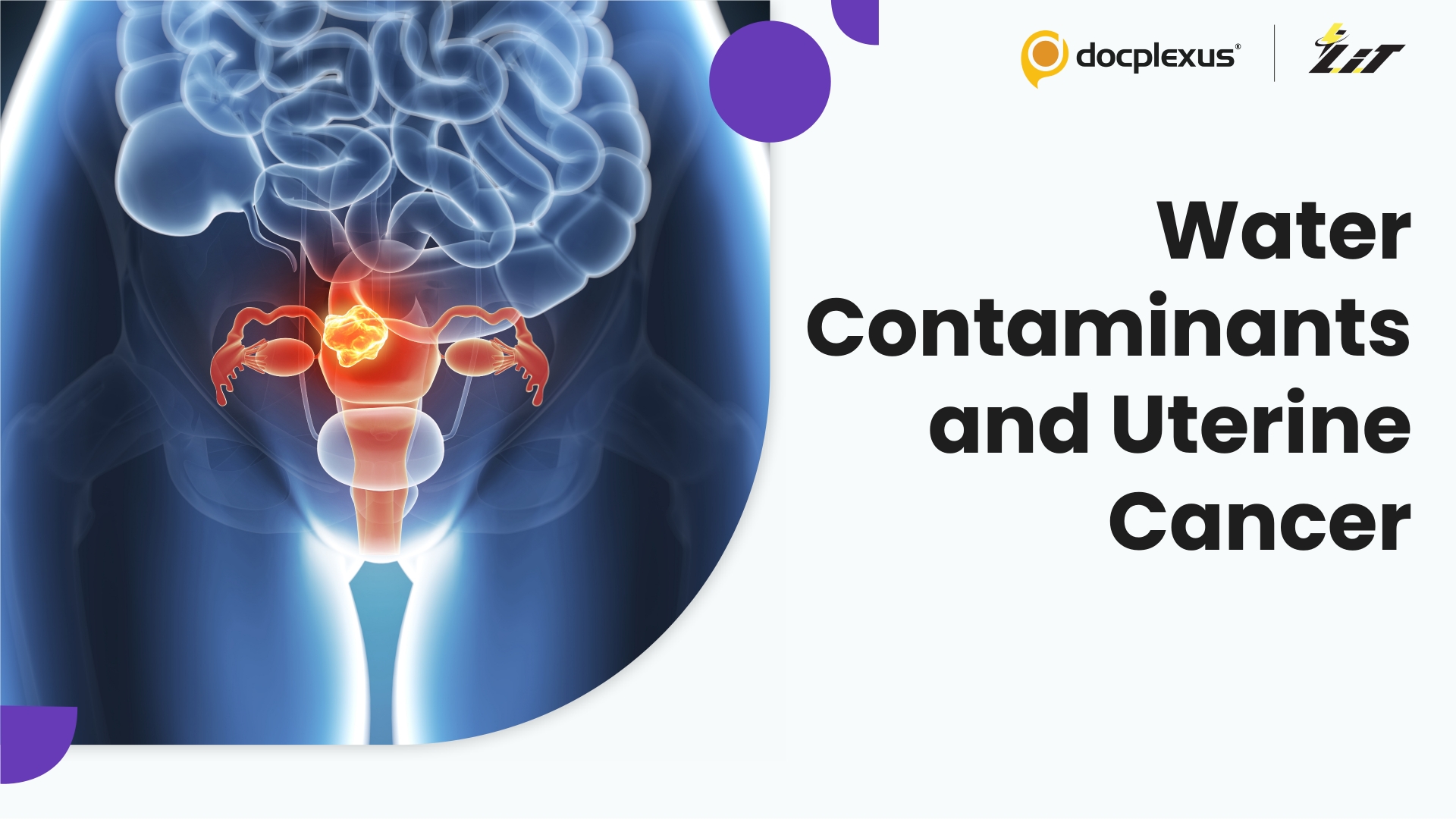
Certain drinking water contaminants, including disinfection byproducts, are known or suspected carcinogens with endocrine-disrupting properties. A large cohort study investigated the association between drinking water contaminants and uterine cancer risk among 53,100 Californian female educators with a median age of 50 years. The study included women who had lived at their enrollment address for at least 10 years. Higher levels of total trihalomethanes (THMs) were associated with a higher risk of uterine cancer (HR, 1.18) and endometrioid tumors (HR, 1.23).
Similar positive associations were observed for the individual THM chloroform. Higher levels of the sum of five haloacetic acids (HAAs) were associated with nonendometrioid tumors (HR, 1.86), with similar findings for monochloroacetic acid. No associations were observed with nitrate, arsenic, or uranium. However, an interquartile…