
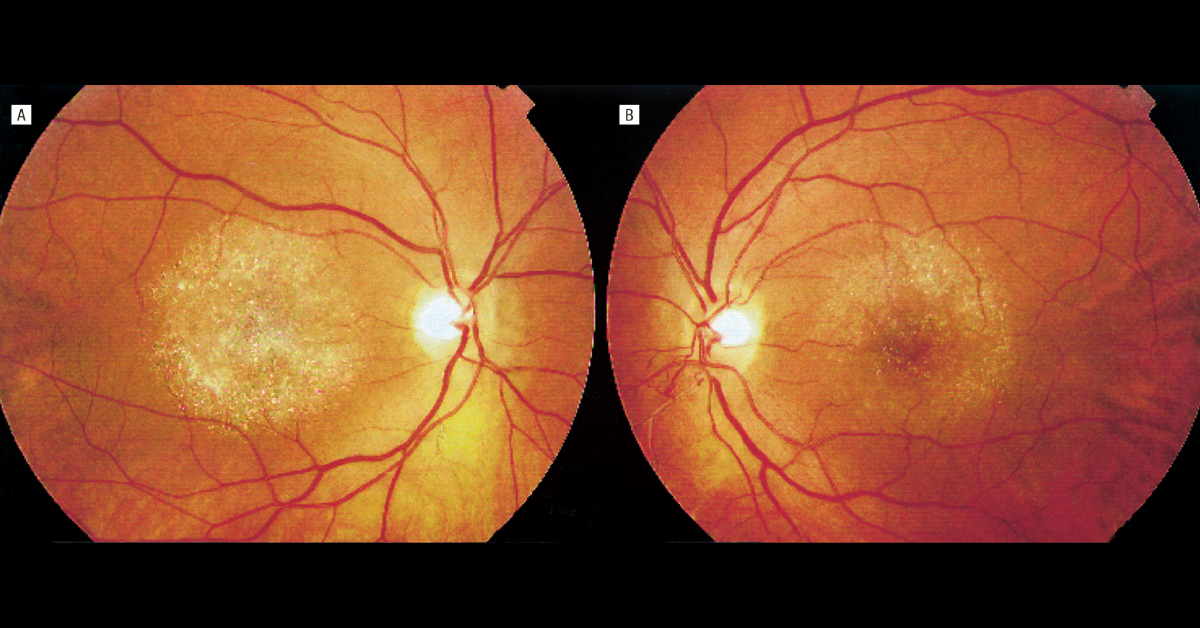
A drug can reach ocular tissues through retinal or uveal circulation and can exit through the canal of schlemm , ciliary body or may diffuse into vitreous and adjacent anatomical structures. This article outlines the mechanisms behind drug ocular toxicity and describes the drugs that can cause corneal and retinal disorders. The chance of drug induced toxicity increases upon accumulation. The issue is aggravated with decreased excretion in persons with renal or hepatic disorders.
The prolonged presence of the drug followed by accumulation can increase the chance of toxicity. The permeable nature of corneal endothelium and affinity of stromal glycosaminoglycans (GAGs) can help the drug molecules bind and accumulate leading to edema and reduced transparency. Possible basis of ocular side effects of systematic drugs: 1. Altered metabolism may lead to increased toxic concentration of…