
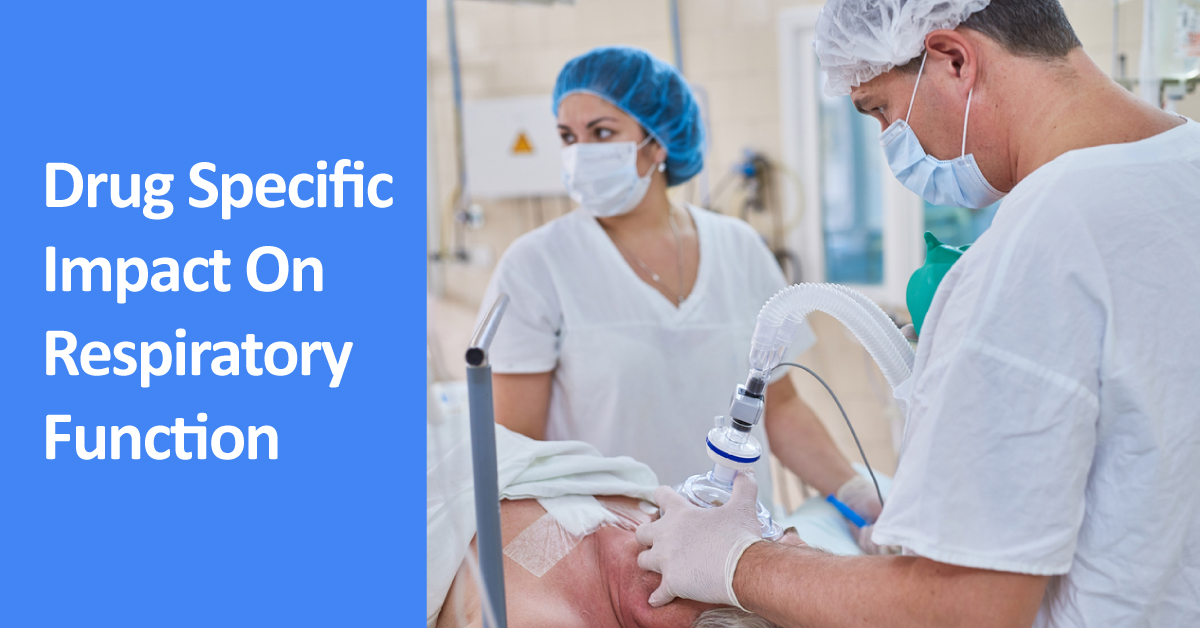
Anesthetic agents have various specific effects on respiration which are mostly dose-dependent but may also reflect idiosyncratic reactions. This article summarizes the specific impacts of anesthetic drugs on respiratory function. Adverse respiratory events are one of the major causes of morbidity and mortality in pediatric anesthesia.
Despite predisposing conditions associated with an increased risk of respiratory incidents in children such as concurrent infections and chronic airway irritation, there are adverse respiratory events directly associated with the impact of anesthesia on the respiratory system. The sensitivity of different respiratory muscles to volatile anesthetics varies; the glossopharyngeal muscles are generally the first to be weakened, followed by the intercostal muscles and, lastly the diaphragm. In spontaneously breathing patients, these changes are associated with…