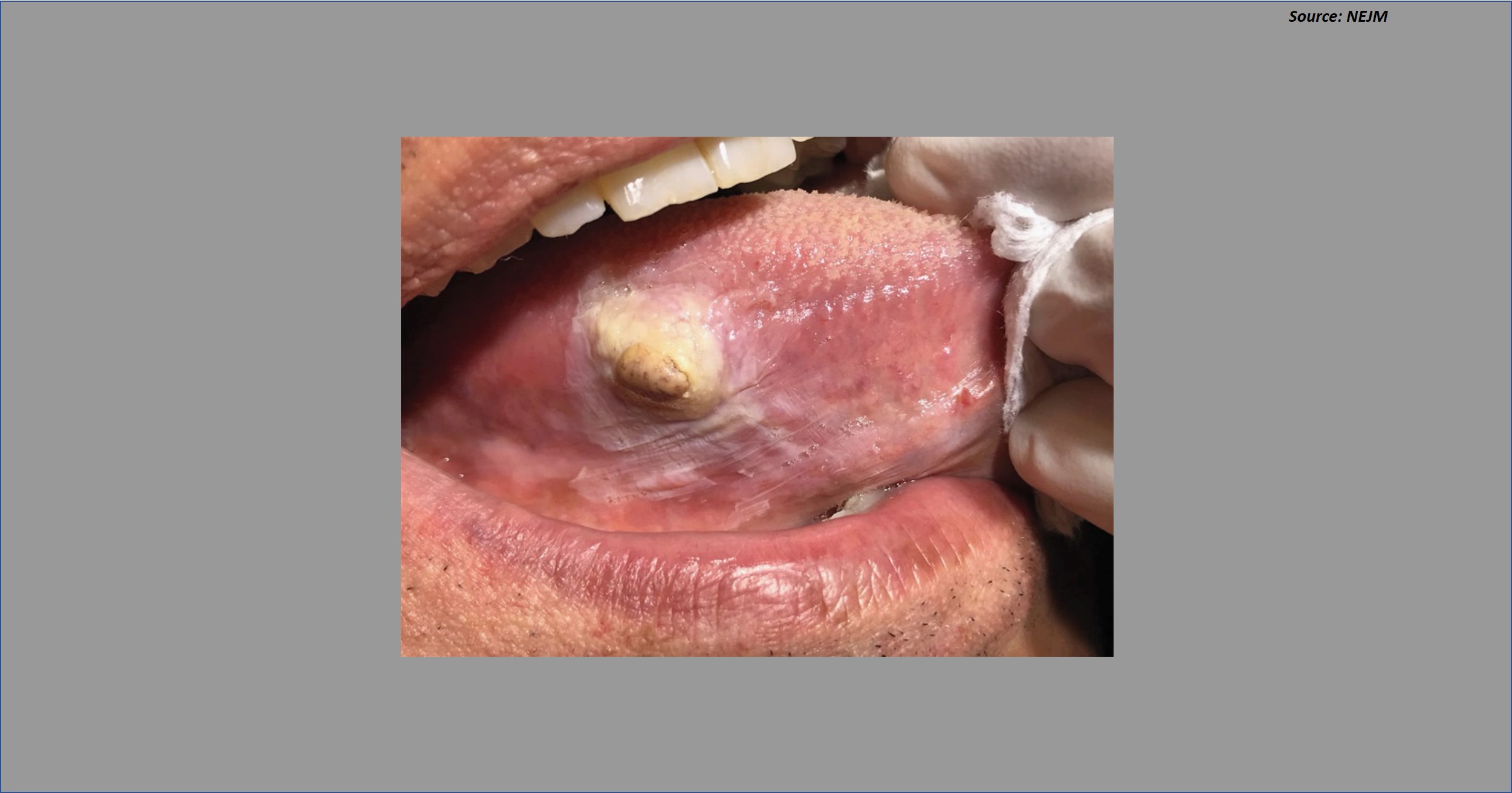

Acitretin, a synthetic retinoid, is the pharmacologically active metabolite of etretinate. Acitretin is 50 times less lipophilic than etretinate and has a shorter elimination half-life. However, there is evidence that small amounts of acitretin are re-esterified to etretinate, which has a very long half-life, especially in the presence of alcohol. It is thought to exert these effects by interfering with the expression of epidermal growth factor genes.
There is also evidence that acitretin has immunomodulatory properties by inhibiting dermal microvascular endothelial cells and neutrophil migration. When to use of Acitretin: Acitretin is used in severe extensive psoriasis which is resistant to other forms of therapy, including topical, light and systemic; palmoplantar pustular psoriasis; severe Darier disease and severe congenital ichthyosis. It is highly teratogenic and must not be used…