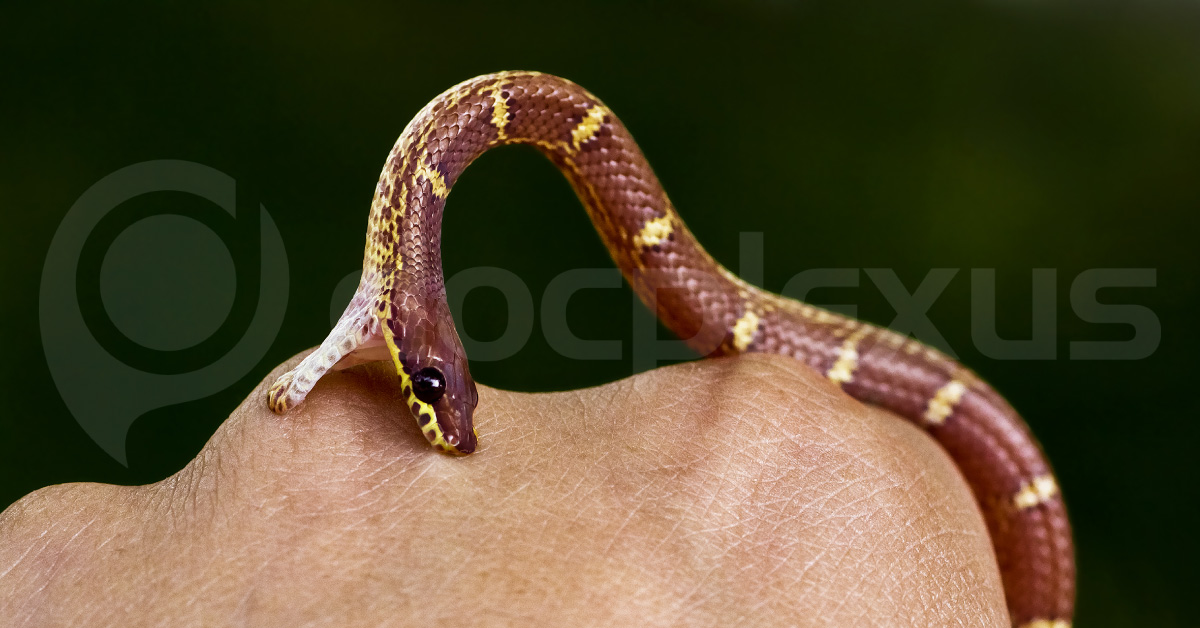
In India, approximately 46,000 deaths occur due to snakebite which is roughly the half of the global annual mortality of 100,000. Poor patient education, remoteness of healthcare center and other factors are often attributed to high snakebite mortality in India. This article discusses clinical characteristics of snakebites and how it can be managed medically. In India, the “big four “are the most venomous snakes that cause maximum mortality; these include Indian cobra ( Naja naja ), common krait ( Bungarus caeruleus ), Russell’s viper ( Daboia russelii ), and saw-scaled viper ( Echis carinatus ).
However, over 90% deaths are attributed to vipers. Cobra and krait related deaths are much less. Clinical features of snakebites: Bites associated with Elapid group of snakes: Only local and minimal changes occur after a krait or coral snake bites. However, necrosis, blistering and swelling…